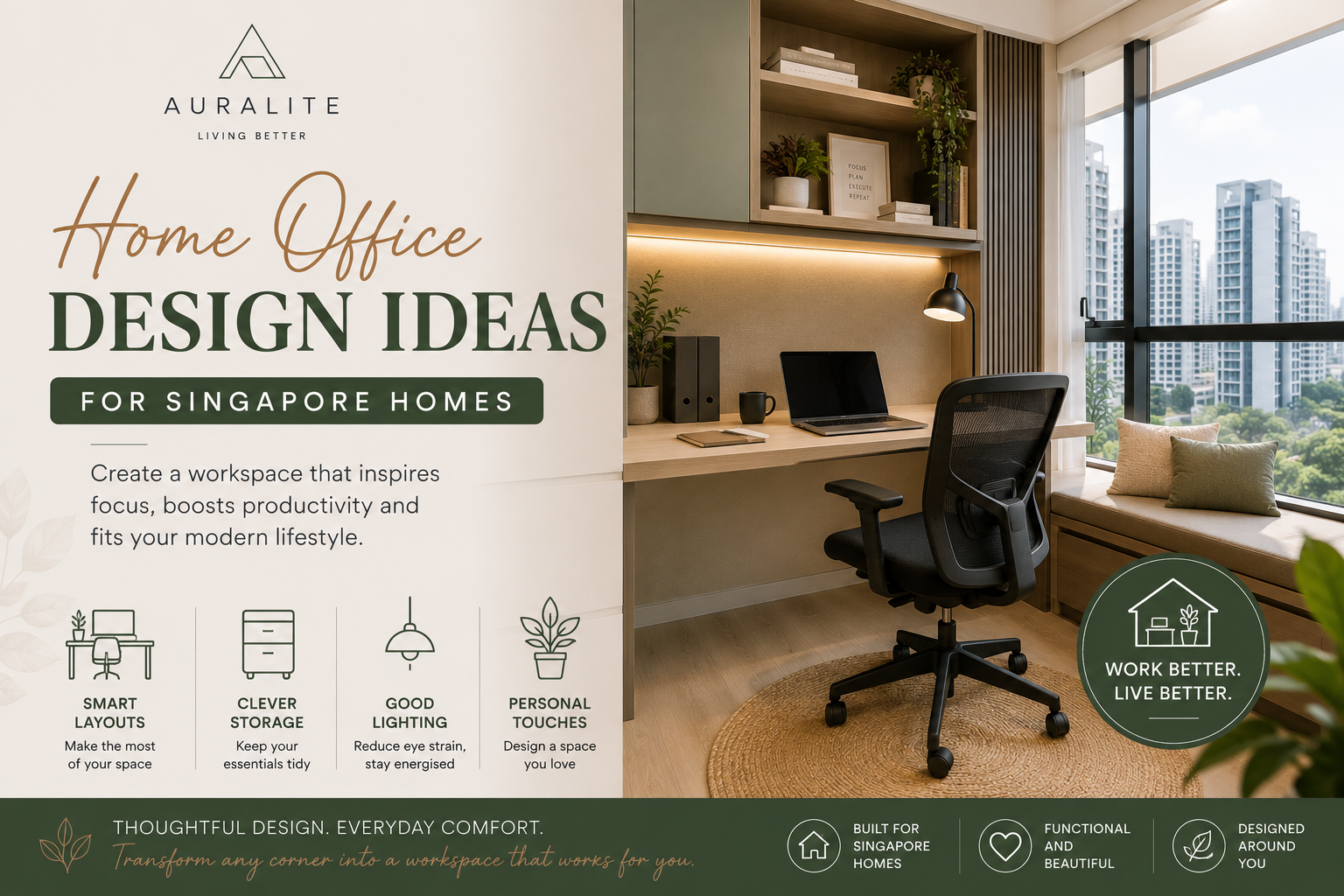
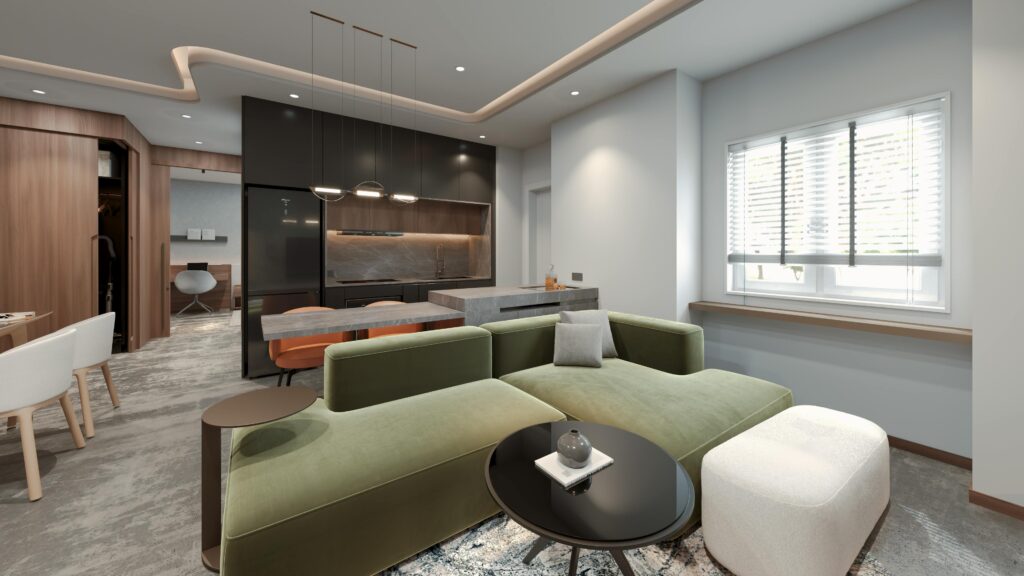
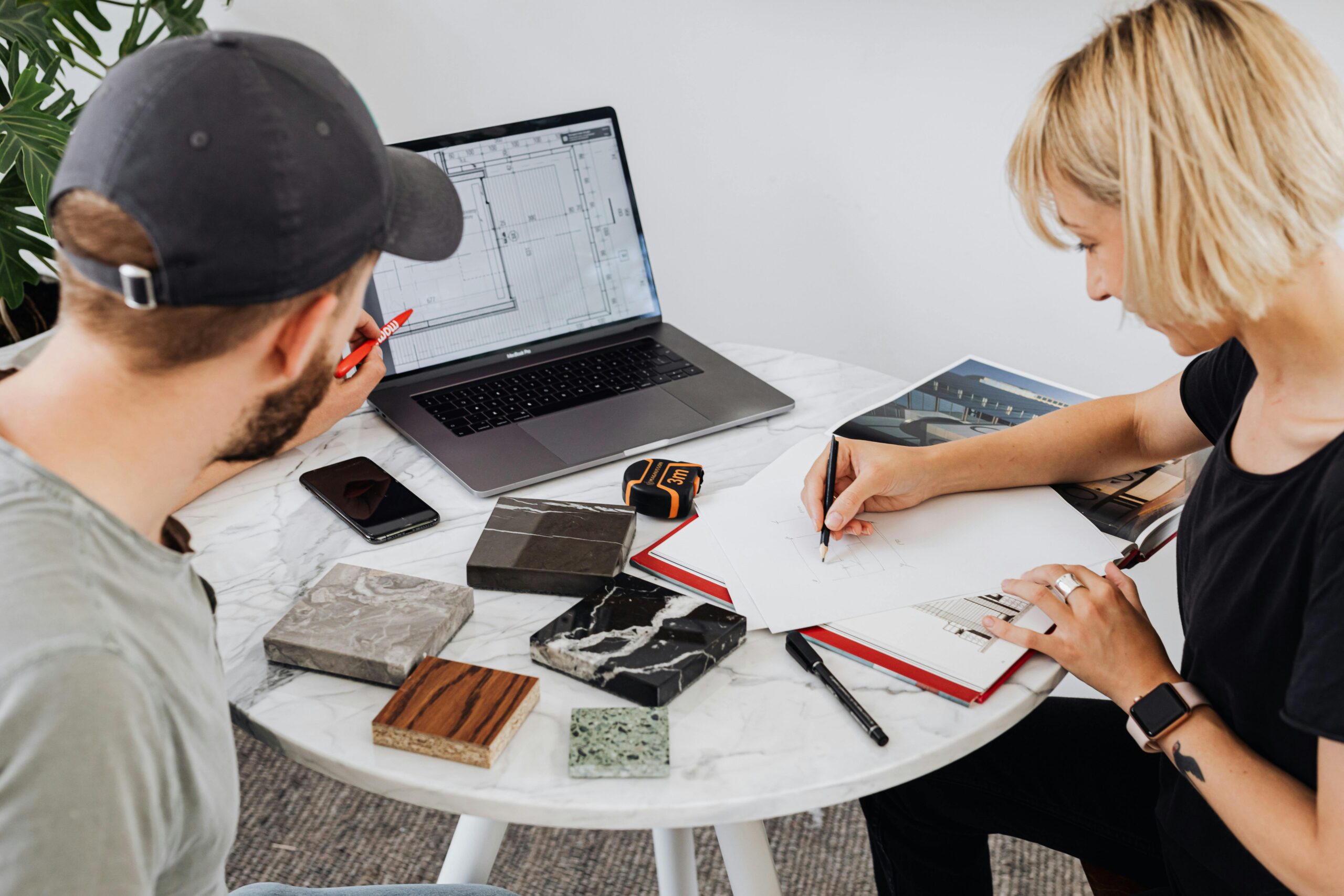
Remote and hybrid work have made home offices essential in Singapore homes — even compact HDB flats.
A well-designed workspace improves productivity and reduces stress.
Let’s dive into what we need to consider for home office design ideas for Singapore apartments.
1. Choose the Right Location
Ideal spots :
Near natural light
Away from main traffic areas
Using unused corners effectively
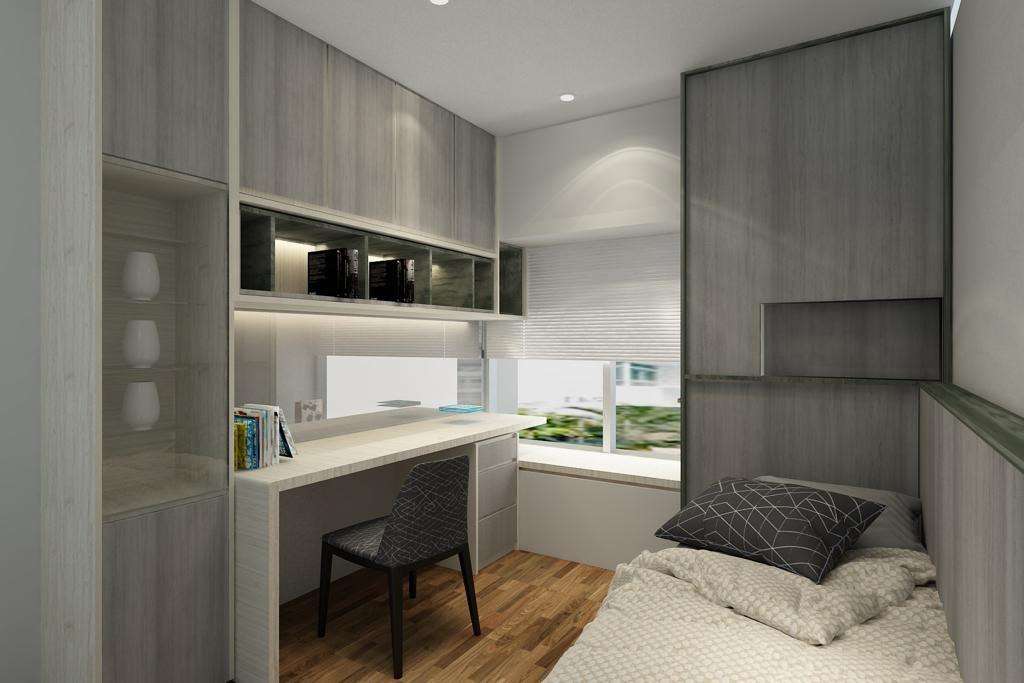
2. Built-In Study Desks
Custom carpentry allows :
Cable management
Integrated storage
Space optimisation
Especially useful in smaller homes.
3. Lighting Matters
Combine :
Natural light
Task lighting
Warm ambient lighting
Avoid harsh overhead glare.
4. Keep It Clutter-Free
Minimalist layouts enhance focus and reduce distractions.
Final Thought
A functional home office should feel comfortable, organised, and separate from your relaxation space.
Planning a renovation in Singapore?
At Auralite, we believe renovation is more than upgrading a space — it’s about creating a home designed with intention, precision, and long-term value.
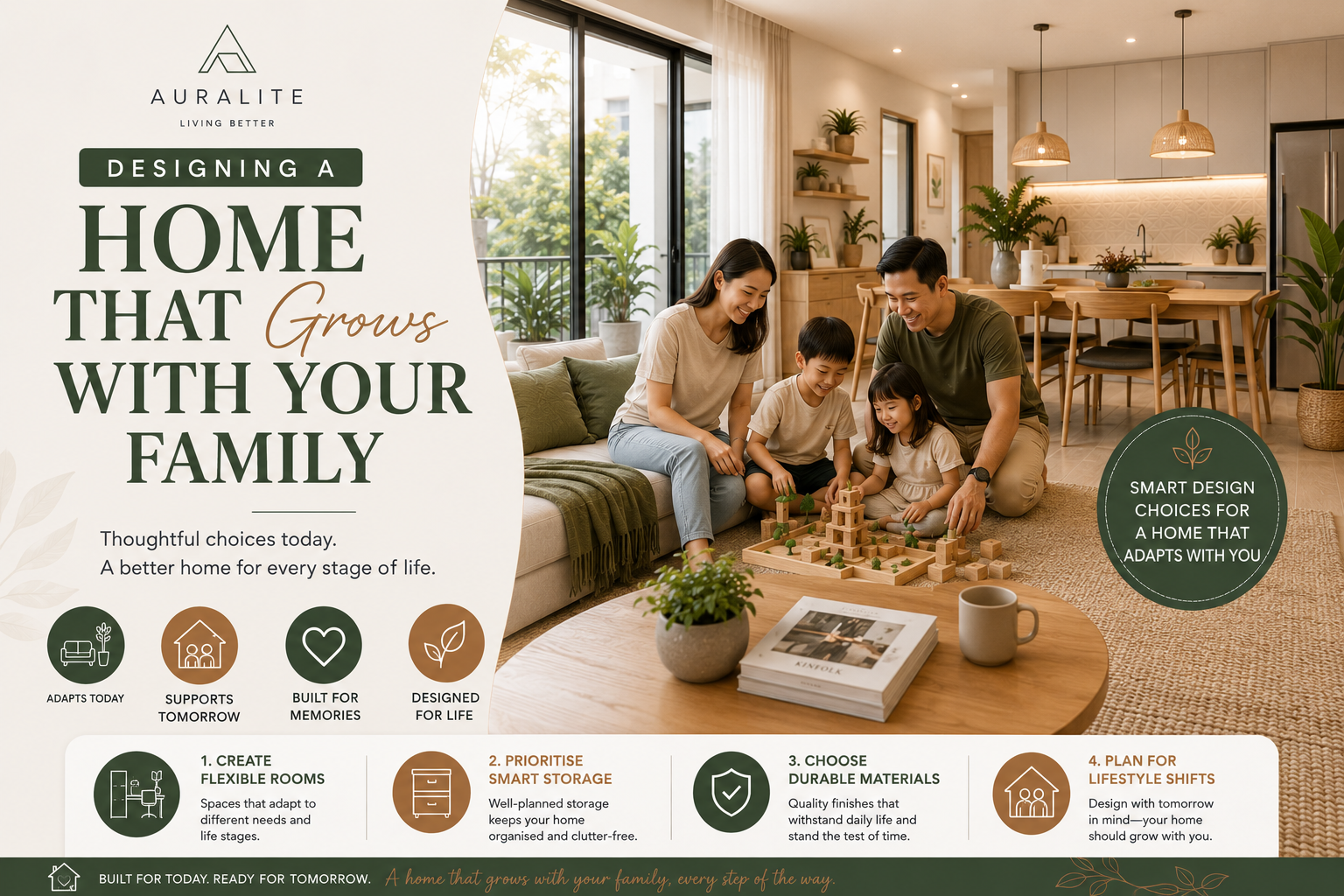
A well-designed home should not only suit your current lifestyle — it should adapt as your family evolves.
In Singapore, where space is often limited and renovations are significant investments, planning for flexibility is essential. Here’s how to designing a home that grows with your family.
1. Create Flexible Rooms
Instead of assigning permanent functions to every room, consider adaptable spaces.
A study room today can become a nursery later
A play area can transition into a teen study zone
Sliding partitions allow flexibility without structural changes
This approach works especially well in HDB and condo layouts.
2. Prioritise Smart Storage
Families accumulate items over time. Built-in carpentry with adjustable shelving ensures storage can evolve with changing needs.
Think:
Modular wardrobe interiors
Hidden storage under seating
Full-height cabinets for long-term organisation
3. Choose Durable Materials
High-traffic homes benefit from:
Scratch-resistant laminates
Quartz countertops
Vinyl flooring
Durability reduces maintenance stress.
4. Plan for Lifestyle Shifts
Working from home? Hosting gatherings? Caring for elderly parents?
A thoughtful layout supports multiple life stages without major re-renovations.
Final Thoughts
Good design is not just about aesthetics — it’s about future-proofing your lifestyle.
Planning a renovation in Singapore?
At Auralite, we believe renovation is more than upgrading a space — it’s about creating a home designed with intention, precision, and long-term value.
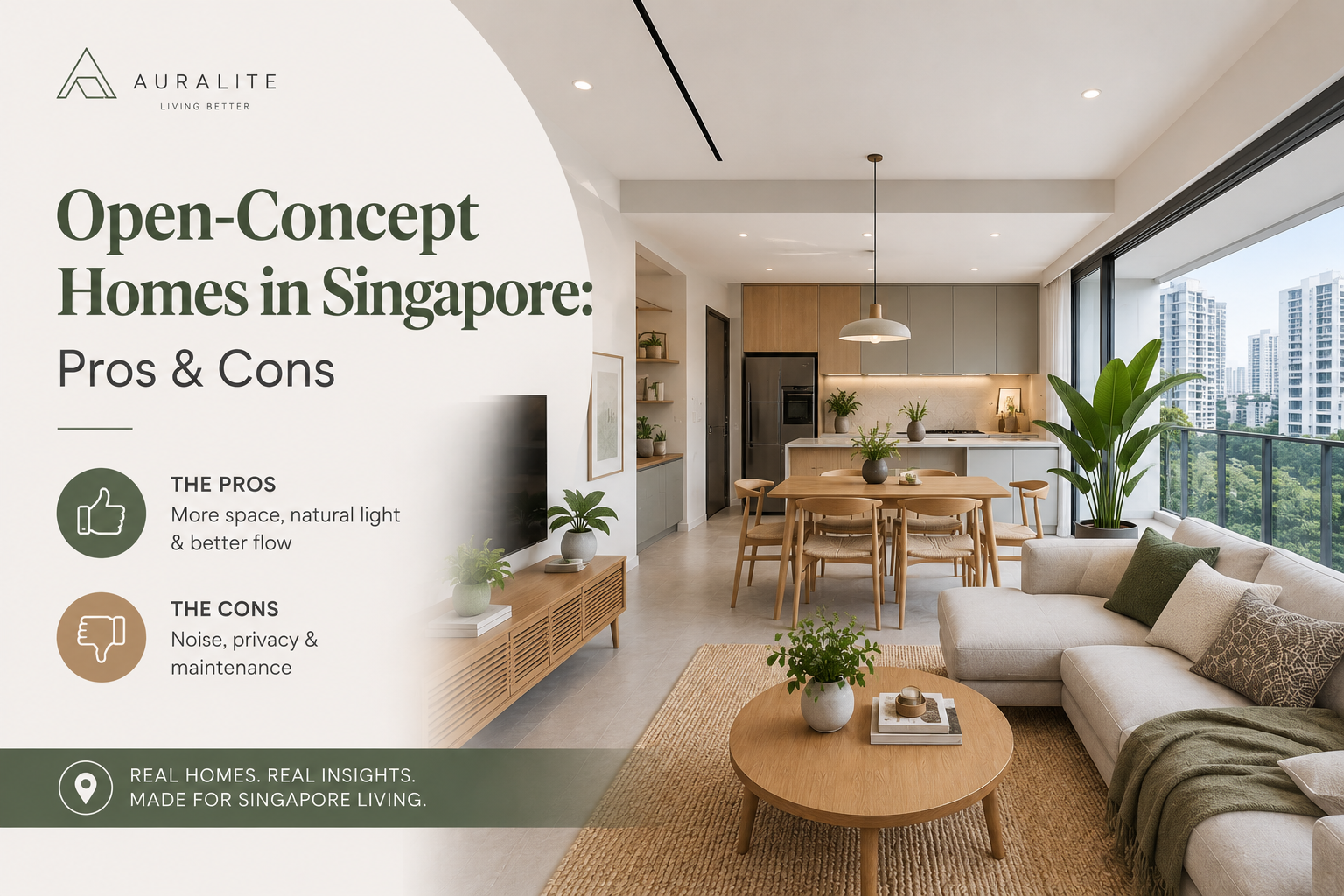
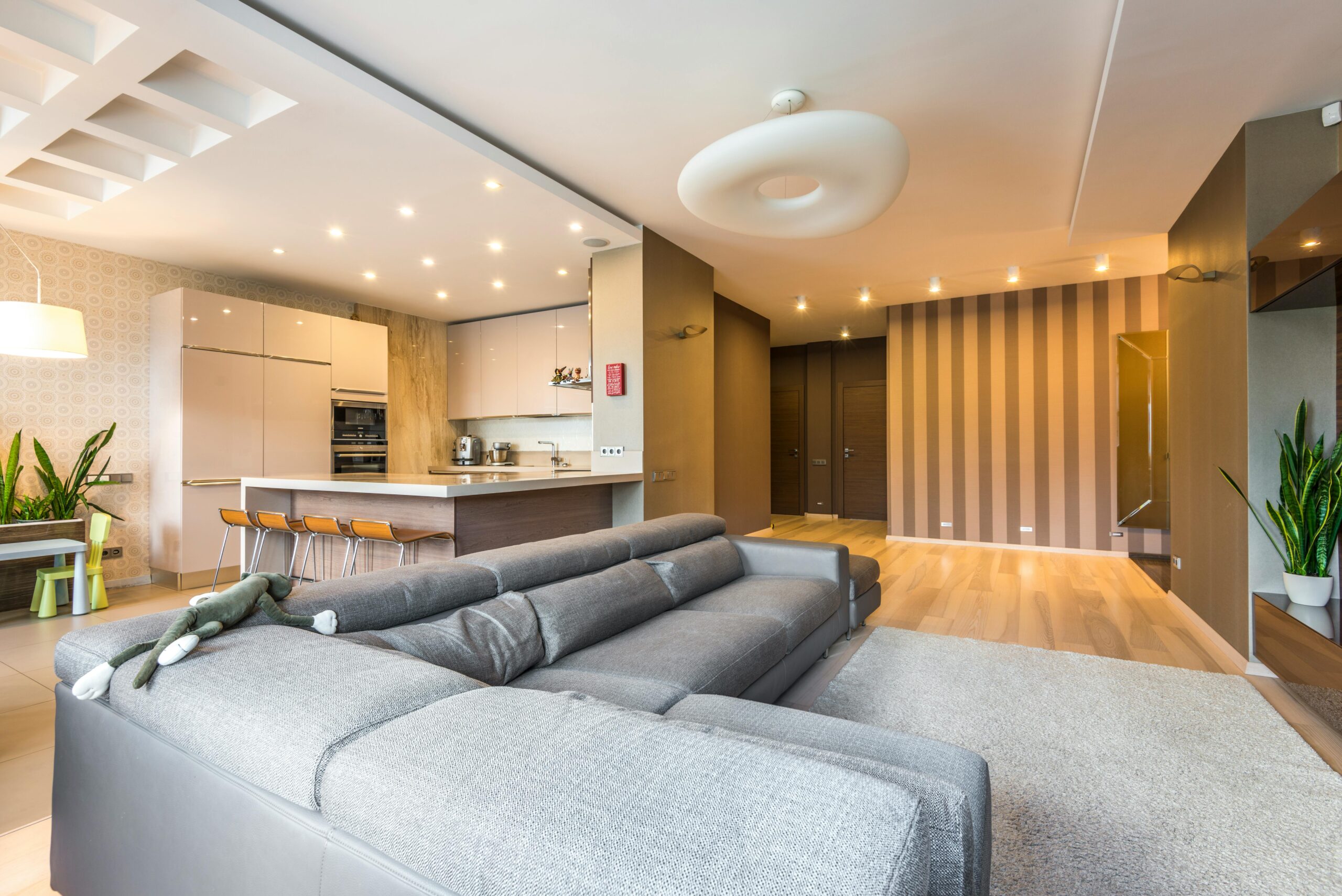
Open-concept layouts are popular in Singapore homes — particularly in BTO flats and modern condos.
But is it always the right choice?
Advantages
1. Enhanced Natural Light
Fewer walls allow light to travel across the space.
2. Better Social Interaction
Ideal for families and entertaining guests.
3. Perceived Spaciousness
Small homes feel larger and more breathable.
Potential Challenges
1. Cooking Odours
Open kitchens may spread smells.
2. Noise Transmission
TV sounds and conversations carry further.
3. Less Privacy
Private workspaces may require partitions.
Smart Solutions
Glass partitions
Sliding panels
Zoning through lighting and flooring
Final Thought
Open layouts work best when thoughtfully designed around your lifestyle habits.
Planning a renovation in Singapore?
At Auralite, we believe renovation is more than upgrading a space — it’s about creating a home designed with intention, precision, and long-term value.
Feng Shui often gets a bad reputation—associated with superstition, rigid rules, or expensive “cures.” But at its core, Feng Shui is simply about how your environment affects your energy, mood, and daily life. Think of it less as mysticism and more as intentional design.
If you strip away the myths, Feng Shui becomes surprisingly practical—especially for homeowners in Singapore where space, layout, and functionality matter so much.
What Feng Shui Really Is (and Isn’t)
Feng Shui, which literally translates to “wind” and “water,” is about how energy (or qi) flows through your home. Good Feng Shui encourages smooth, balanced movement—nothing blocked, cramped, or chaotic.
What it is not:
Not about placing random lucky objects
Not about blindly following a compass reading
Not about copying someone else’s layout
What it is:
Thoughtful spatial planning
Maximising natural light and airflow
Creating a sense of calm, order, and balance
In other words, good Feng Shui often overlaps with good interior design.
1. Declutter First — Always
Before you even think about layouts or colours, start here.
Clutter blocks movement—physically and mentally. A cramped home creates stress, reduces focus, and makes spaces feel smaller than they are.
Practical tips:
Clear entryways (your home’s “first impression”)
Avoid overfilling built-ins or storage
Keep surfaces intentionally styled, not crowded
If you do only one thing from this guide, declutter.
2. Let Energy (and People) Flow
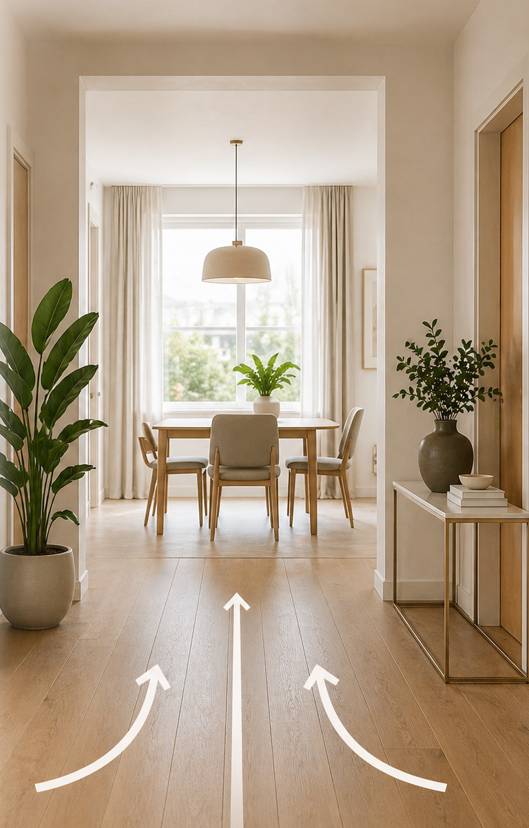
A good Feng Shui home allows easy movement.
Walk through your space—do you feel like you’re squeezing past furniture? Are there awkward corners or blocked pathways?
What to look out for:
Narrow walkways
Furniture placed directly in pathways
Doors that can’t fully open
A simple rule: if movement feels natural, your layout is probably working.
3. The “Command Position” Matters
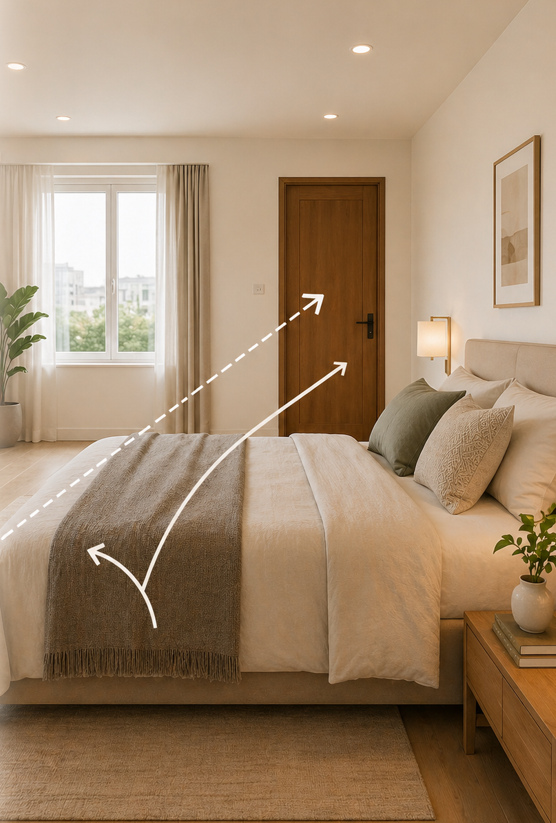
One of the most practical Feng Shui concepts is the command position—where key furniture (like your bed, desk, or sofa) is placed so you can see the entrance without being directly in line with it.
Why it matters:
It creates a subconscious sense of control and safety
It reduces stress and improves focus
Apply it to:
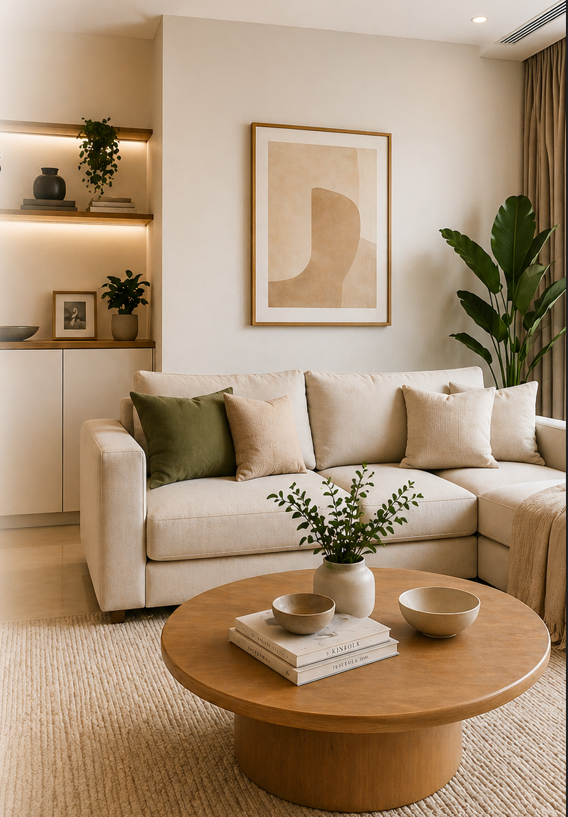
Your sofa (avoid having your back fully exposed to entryways)
Your bed (see the door, but not directly aligned)
Your work desk (face the entrance if possible)
4. Balance the Five Elements (Without Overthinking It)
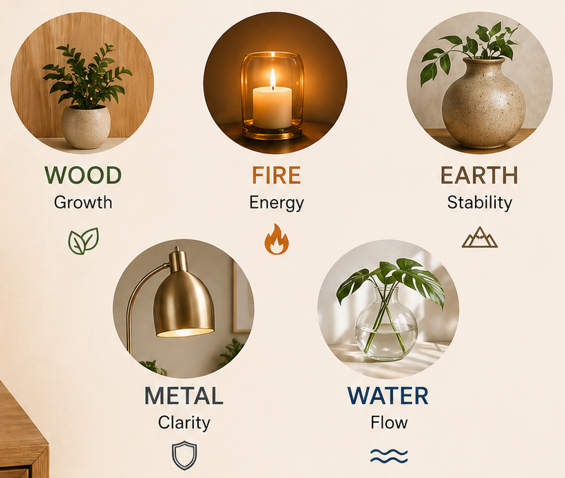
Feng Shui talks about five elements: Wood, Fire, Earth, Metal, and Water. But you don’t need to “calculate” anything complicated.
Instead, think of this as visual and material balance.
Element
Represents
Easy Ways to Include
Wood
Growth
Plants, wooden furniture
Fire
Energy
Warm lighting, candles, red tones
Earth
Stability
Ceramics, neutral colours
Metal
Clarity
Metallic finishes, white tones
Water
Flow
Mirrors, glass, dark accents
Key idea: Avoid extremes. A home that’s too cold, too dark, or too cluttered feels off—this is what Feng Shui is trying to correct.
5. Lighting Changes Everything
Poor lighting = stagnant energy.
Natural light is always best, but if your layout limits it (common in some HDB and condo units), layering your lighting becomes crucial.
Use a mix of:
Ambient lighting (general brightness)
Task lighting (for work areas)
Accent lighting (to highlight features)
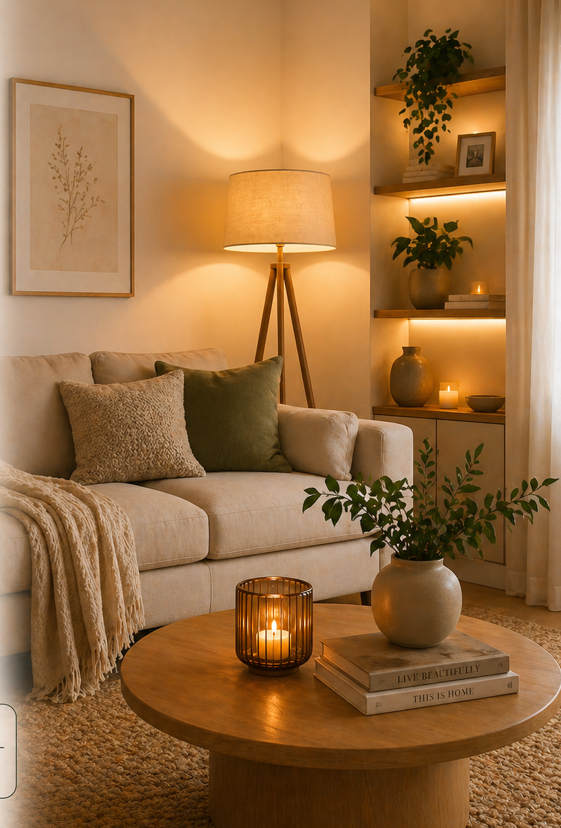
Warm lighting tends to feel more inviting, while harsh white light can make spaces feel clinical.
6. Your Entrance Sets the Tone
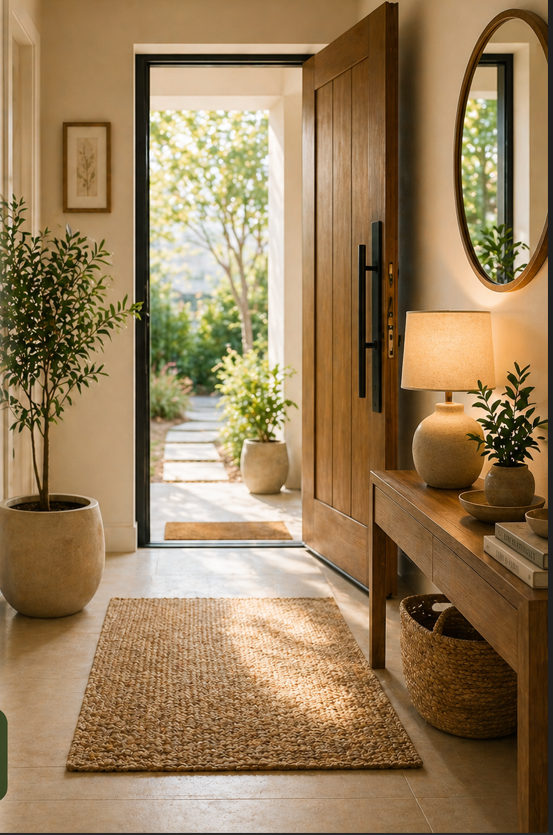
In Feng Shui, your main door is often called the “mouth of qi”—where energy enters your home.
But practically, it’s also your first psychological impression.
Simple improvements:
Keep it clean and uncluttered
Ensure good lighting
Avoid placing shoes or items in a messy pile
A well-kept entrance instantly makes your home feel more put together.
7. Mirrors: Use Them Intentionally
Mirrors are often misunderstood in Feng Shui.
They’re not “good” or “bad”—they simply reflect and amplify whatever is in front of them.
Use mirrors to:
Make small spaces feel larger
Reflect light into darker areas
Avoid placing them:
Directly facing clutter
Opposite your bed (can feel unsettling for some people)
8. Bedrooms Should Feel Like a Retreat
Your bedroom should prioritise rest, not stimulation.
That means:
Minimal electronics
Softer colours
Reduced clutter
Avoid turning your bedroom into a workspace if possible—this blurs mental boundaries between rest and productivity.
Common Feng Shui Myths (Let’s Clear These Up)
Myth 1: You need expensive Feng Shui items No—you don’t need crystals, fountains, or symbolic objects unless you personally like them.
Myth 2: There’s only one “correct” layout Every home is different. Good Feng Shui adapts to your space—not the other way around.
Myth 3: It’s all superstition At its core, Feng Shui is about comfort, flow, and psychology—things modern design also values.
Final Thoughts: Good Design = Good Feng Shui
When done right, Feng Shui doesn’t feel restrictive—it makes your home more livable.
A well-designed space should:
Feel easy to move through
Support your daily routines
Reduce stress instead of adding to it
That’s Feng Shui—without the myths.
Thinking of Improving Your Home Layout?
At Auralite, we believe great design should feel intuitive, not complicated. Whether you’re renovating your entire home or just reworking your layout, we help you create spaces that look good and feel right.
Reach out to Auralite for a personalised consultation and bring balance, function, and style into your home.
Living in Singapore often means making the most out of limited space — especially in HDB flats, BTOs, and compact condos. But small doesn’t have to mean cluttered or cramped. With clever planning and the right custom solutions, your home can feel spacious, functional, and stylish.
At Auralite, we specialise in helping homeowners maximise their space without sacrificing aesthetics. Here are some practical, space-saving ideas to help you unlock the full potential of your home.
1. Go Vertical — Not Just Horizontal
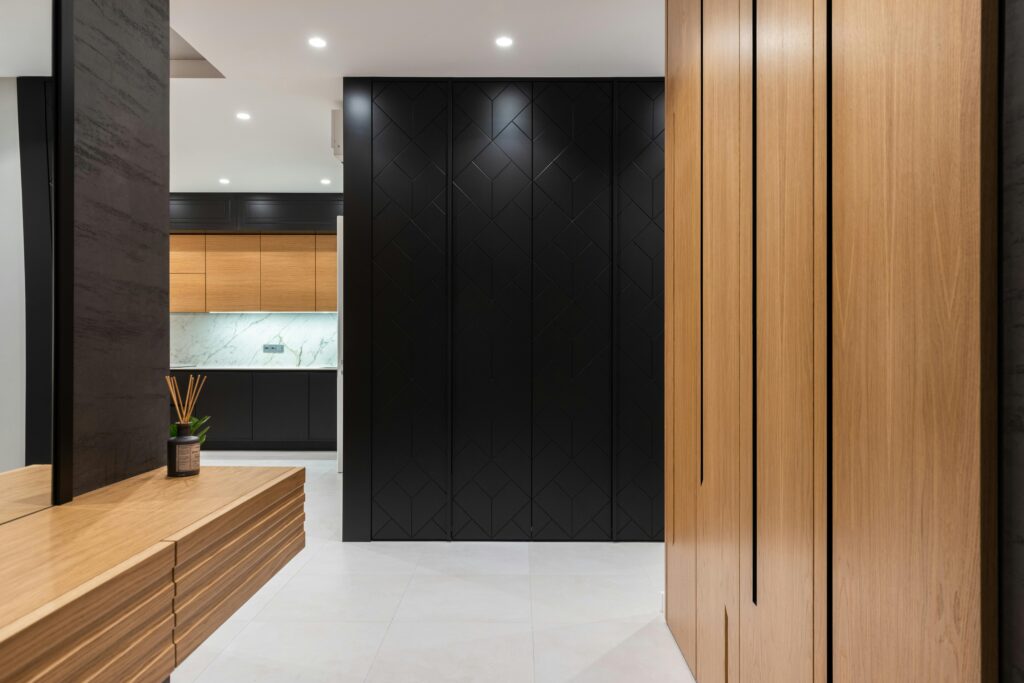
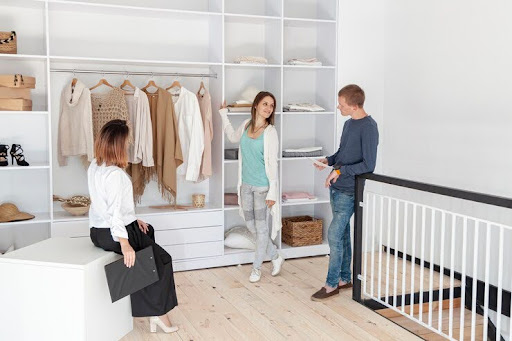
In a typical HDB bedroom, floor space is precious. Instead of bulky standalone wardrobes, consider built-in floor-to-ceiling cabinets. Not only do they provide more storage, but they also reduce visual clutter and give a clean, seamless look.
Pro tip: Include upper compartments for luggage, seasonal items, or things you don’t use often.
2. Multi-Functional Furniture Is a Game Changer
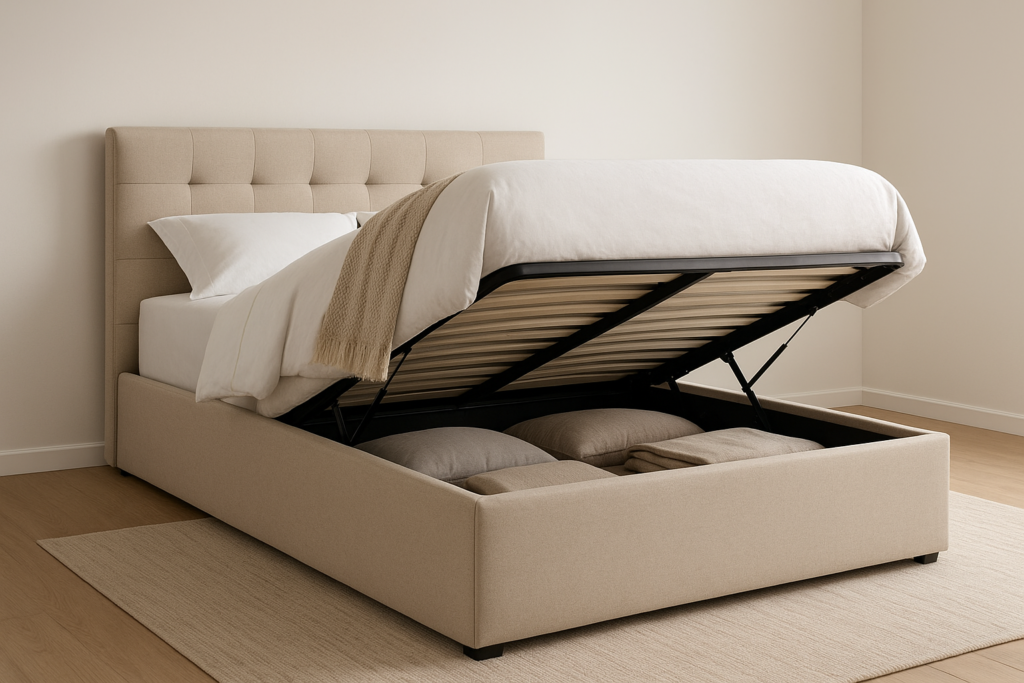
From storage beds to pull-out desks and benches with hidden compartments, every piece of furniture can double up for storage. If you’re working with a smaller living room or bedroom, custom-built solutions like these help keep your home neat — without giving up on comfort.
3. Sliding Doors for Tight Areas
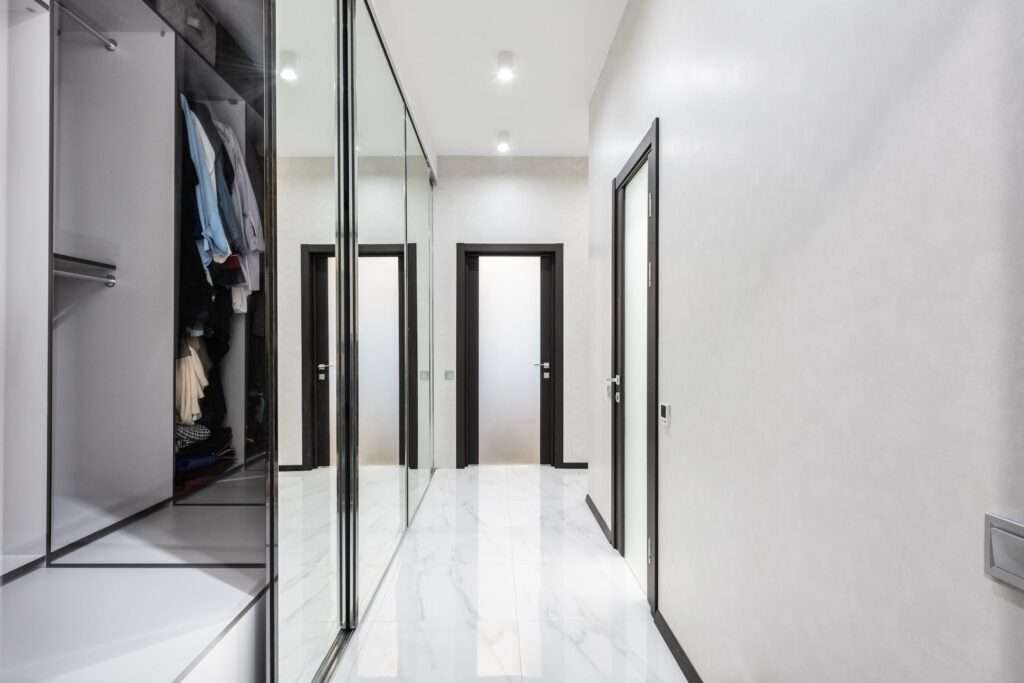
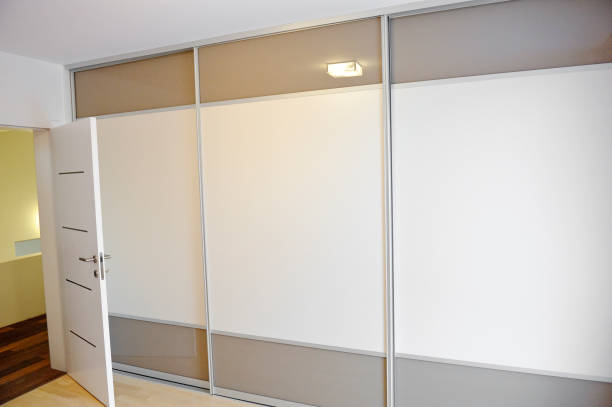
Swing doors take up space when opened, which can be frustrating in narrow corridors or bedrooms. Sliding wardrobe doors are sleek, modern, and perfect for smaller rooms. Plus, they come in beautiful finishes — from mirrors to tinted glass — that can enhance your home’s overall style.
4. Built-In Utility and Service Areas
In many Singapore homes, service yards and bomb shelters are under-utilised. These areas are perfect for custom cabinets, laundry systems, and even pantry storage. With a little creativity, we can help you reclaim these forgotten corners and turn them into functional storage zones.
5. Customised for Your Lifestyle
At Auralite, we don’t believe in one-size-fits-all. Whether you’re a young couple furnishing your first BTO, a busy family needing toy and book storage, or a retiree downsizing to a smaller home, we create solutions tailored to your daily routine and preferences.
Our goal is simple: to help you live better in your space.
Thinking of Renovating? Let’s Talk.
Auralite specialises in custom wardrobe and cabinet solutions that make small homes feel bigger and smarter. If you’re planning a renovation or just want to upgrade your storage, we’re just one message away.
📩 Contact us at [email protected]— we’ll help you create space where it matters
In Singapore’s fast-paced renovation industry, every detail matters — from concept to completion. As an interior designer, you already juggle creativity, timelines, and client expectations. Having a reliable partner like Auralite can make all the difference. At Auralite, we believe collaboration is key to delivering seamless, high-quality renovations that truly reflect your design vision. Here’s why working closely with a specialist like us helps bring your projects to life — without the headaches.
1. Customisation Without Compromise
No two homes — or clients — are the same. Whether you’re designing for a minimalist BTO in Punggol or a luxurious condo in Orchard, we provide renovation solutions tailored to your layout, theme, and functionality needs.
Our team works hand-in-hand with designers to ensure every detail — from materials to finishes — matches your intended look and feel. Need a specific laminate shade or internal storage layout? We’ve got you covered.
2. Seamless Workflow = Smoother Projects
We understand that delays and miscommunication can derail a good renovation plan. That’s why Auralite offers transparent processes, prompt lead times, and responsive coordination.
We align our timelines with yours — whether you’re managing a full home makeover or just the bedroom wardrobes. Expect fuss-free installation and minimal disruption to your flow.
3. Quality Workmanship That Elevates Your Design
A design is only as good as its execution. That’s where our skilled craftsmen step in. With years of experience in renovation, Auralite delivers fine workmanship that enhances your design vision and ensures long-lasting durability — especially in Singapore’s humid climate.
From sleek modern built-ins to warm natural finishes, we take pride in bringing your sketches to life with precision.
4. A Trusted Partner You Can Rely On
Many designers tell us they struggle to find renovation partners who understand their aesthetic. At Auralite, we don’t just build — we collaborate. We listen, provide recommendations, and troubleshoot with you. Because when your client is happy, we’re happy.
Whether you’re an established ID firm or a rising freelancer, we’re excited to support your next project.
Let’s Build Beautiful Spaces, Together
Looking to elevate your design offerings? Partner with Auralite and gain a renovation team that cares just as much about design as you do.
📩 Contact us at [email protected] to discuss partnerships — we’d love to work with you
In sunny Singapore, we enjoy summer all year round — but that also means constant humidity. Over time, this moisture can cause poorly-made furniture to warp, swell, or even grow mould. If you’re planning a home renovation or installing new wardrobes, it’s important to choose materials that are not only stylish, but also suited for our local climate.
Here’s a guide to the most common wardrobe materials in Singapore, and how Auralite helps you pick the best option for your home.
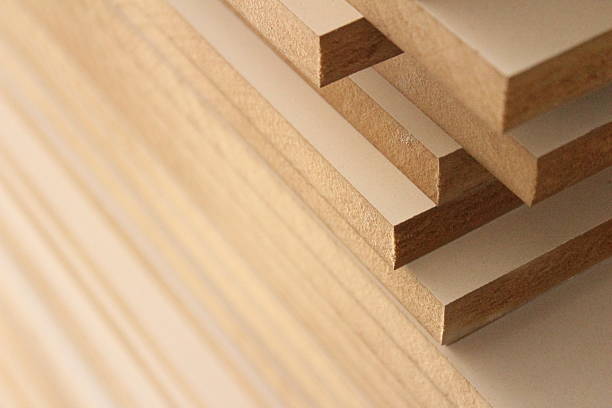
1. MDF (Medium Density Fibreboard)
Affordable and smooth, MDF is a common material used in many budget-friendly wardrobes. While it’s great for dry indoor spaces, it tends to absorb moisture easily — making it less ideal for humid bedrooms or service areas unless sealed properly.
At Auralite, we typically only recommend MDF for dry, low-traffic areas or decorative panels.
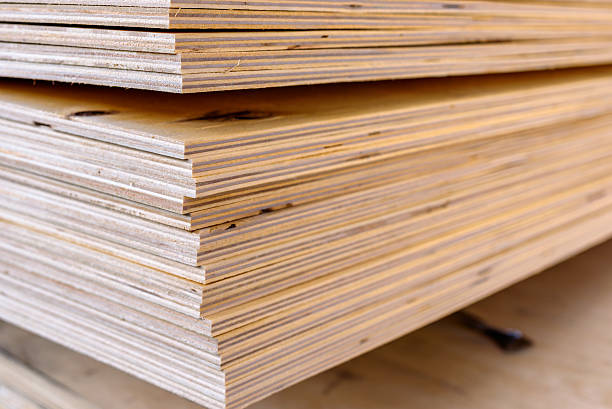
2. Plywood
If you want something strong and moisture-resistant, plywood is your best bet. Made from thin layers of wood glued together, plywood holds up well in our humid weather. It’s less likely to warp and is more durable than MDF, making it ideal for wardrobes in bedrooms, service yards, or storerooms. Many of Auralite’s custom wardrobes use plywood with high-pressure laminate for a solid, long-lasting build.
3. Laminate Finishes
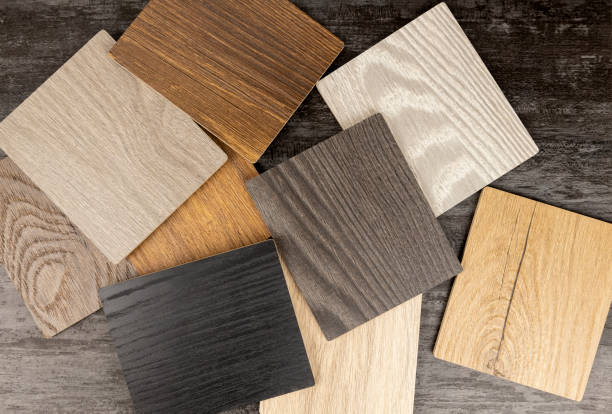
Laminates don’t just make your wardrobe look pretty — they also protect your cabinets from scratches, heat, and moisture. You can choose from matte, gloss, woodgrain, or even stone-look laminates. It’s a cost-effective way to elevate your interiors while ensuring easy maintenance. We offer a wide range of laminate samples so you can find the perfect colour and texture for your space
4. Aluminium Frame Wardrobes
For extra humidity resistance — especially in bathrooms or bomb shelters — aluminium frame wardrobes with glass or acrylic panels are a modern, low-maintenance option. They’re sleek, durable, and won’t warp over time.
These are also popular choices in minimalist and industrial-themed homes.
5. Auralite’s Expert Recommendation
At Auralite, we don’t believe in cutting corners. Our design consultants will recommend the best material combination based on your lifestyle, space, and budget — always taking Singapore’s weather into consideration.
We’re here to make sure your wardrobes don’t just look good — they stay strong for years to come.
Renovating Soon? Let’s Chat
Choosing the right materials is just one part of the puzzle. From design to installation, Auralite provides full custom wardrobe and cabinet solutions, built around your needs.
📩 Contact us [email protected] for a non-obligatory consultation — and let’s build something beautiful, functional, and lasting.