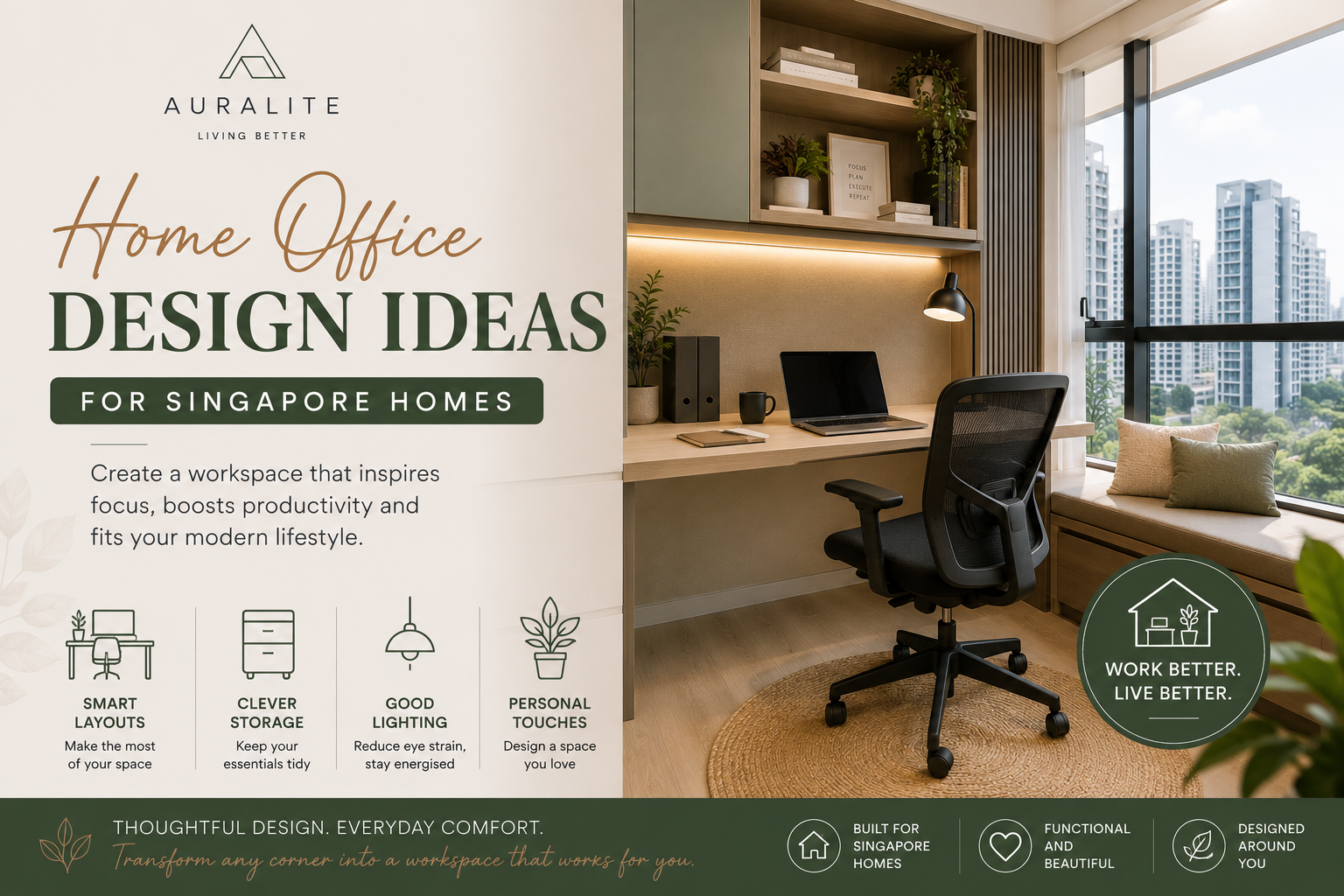
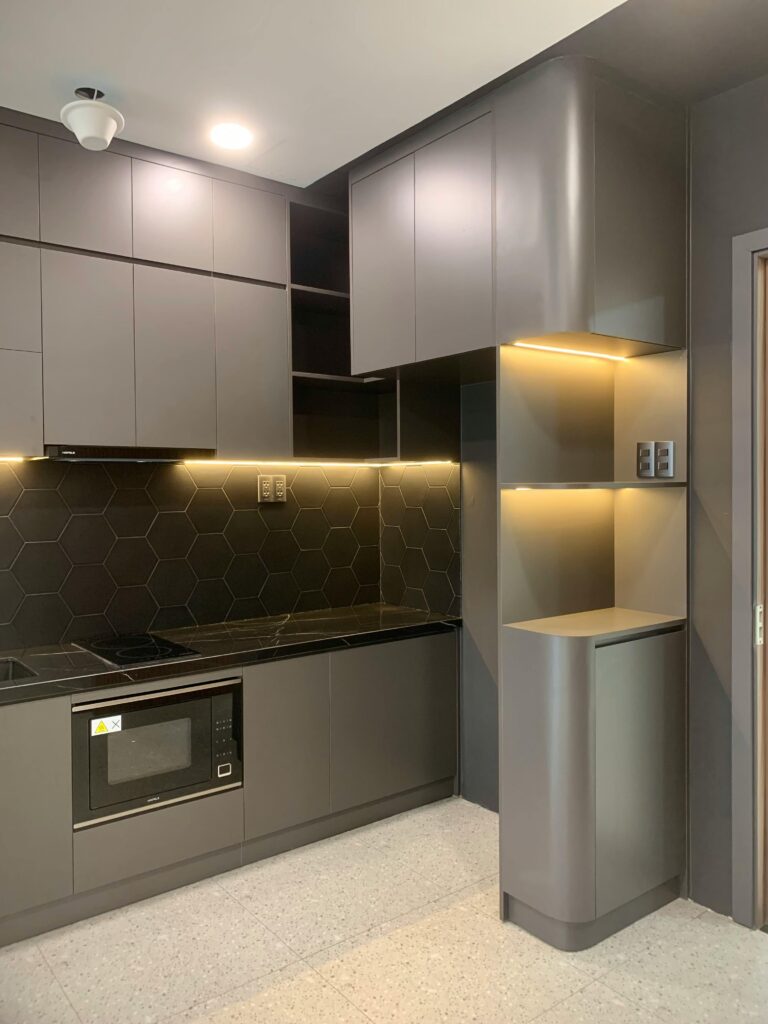
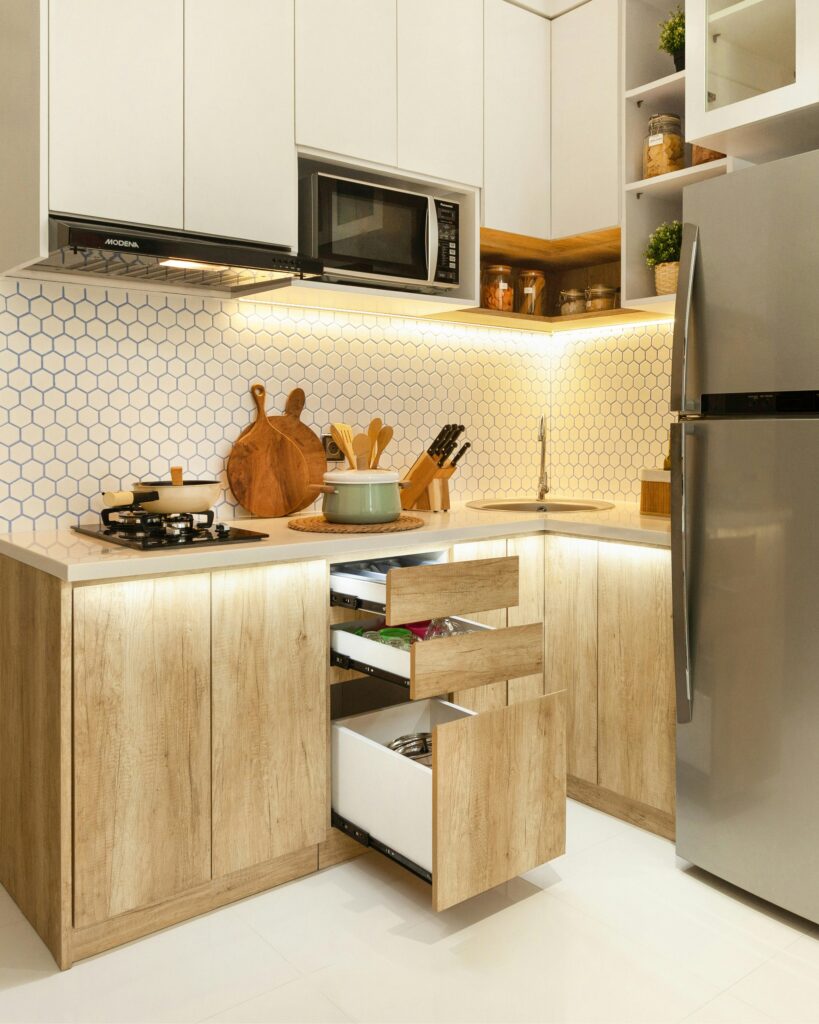
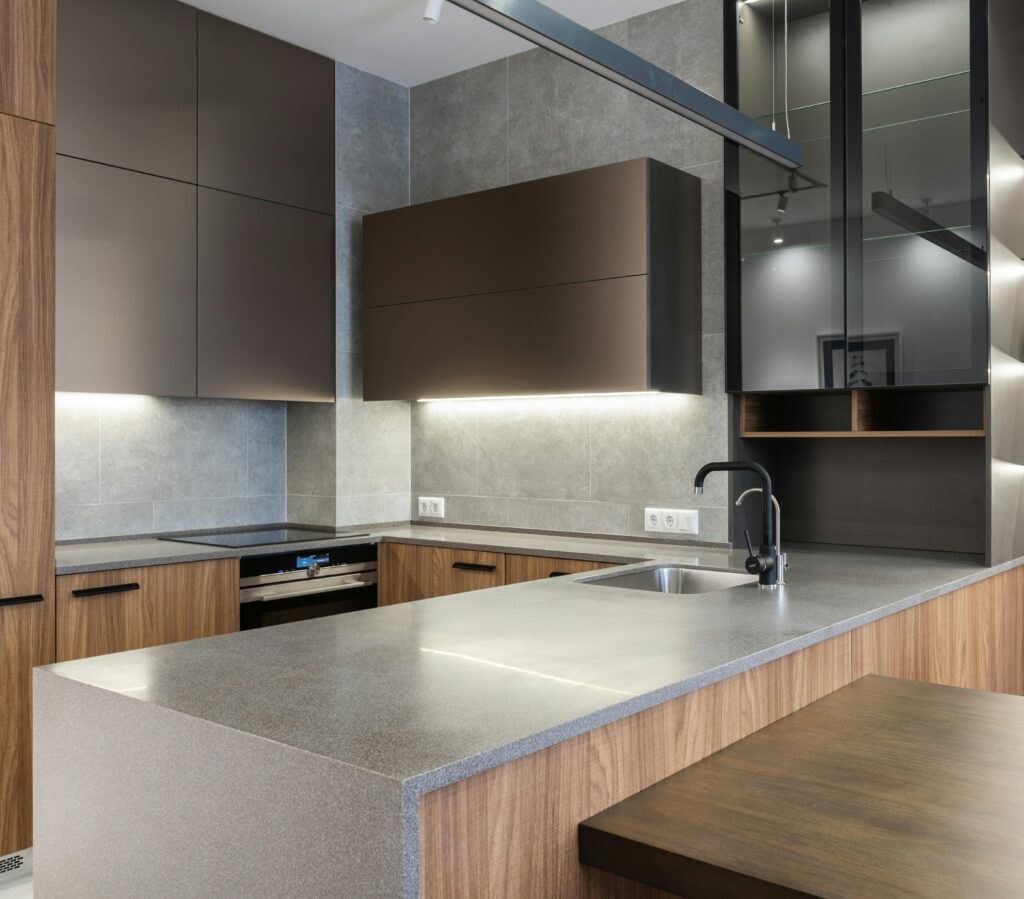
Remote and hybrid work have made home offices essential in Singapore homes — even compact HDB flats.
A well-designed workspace improves productivity and reduces stress.
Let’s dive into what we need to consider for home office design ideas for Singapore apartments.
1. Choose the Right Location
Ideal spots :
Near natural light
Away from main traffic areas
Using unused corners effectively
2. Built-In Study Desks
Custom carpentry allows :
Cable management
Integrated storage
Space optimisation
Especially useful in smaller homes.
3. Lighting Matters
Combine :
Natural light
Task lighting
Warm ambient lighting
Avoid harsh overhead glare.
4. Keep It Clutter-Free
Minimalist layouts enhance focus and reduce distractions.
Final Thought
A functional home office should feel comfortable, organised, and separate from your relaxation space.
Planning a renovation in Singapore?
At Auralite, we believe renovation is more than upgrading a space — it’s about creating a home designed with intention, precision, and long-term value.
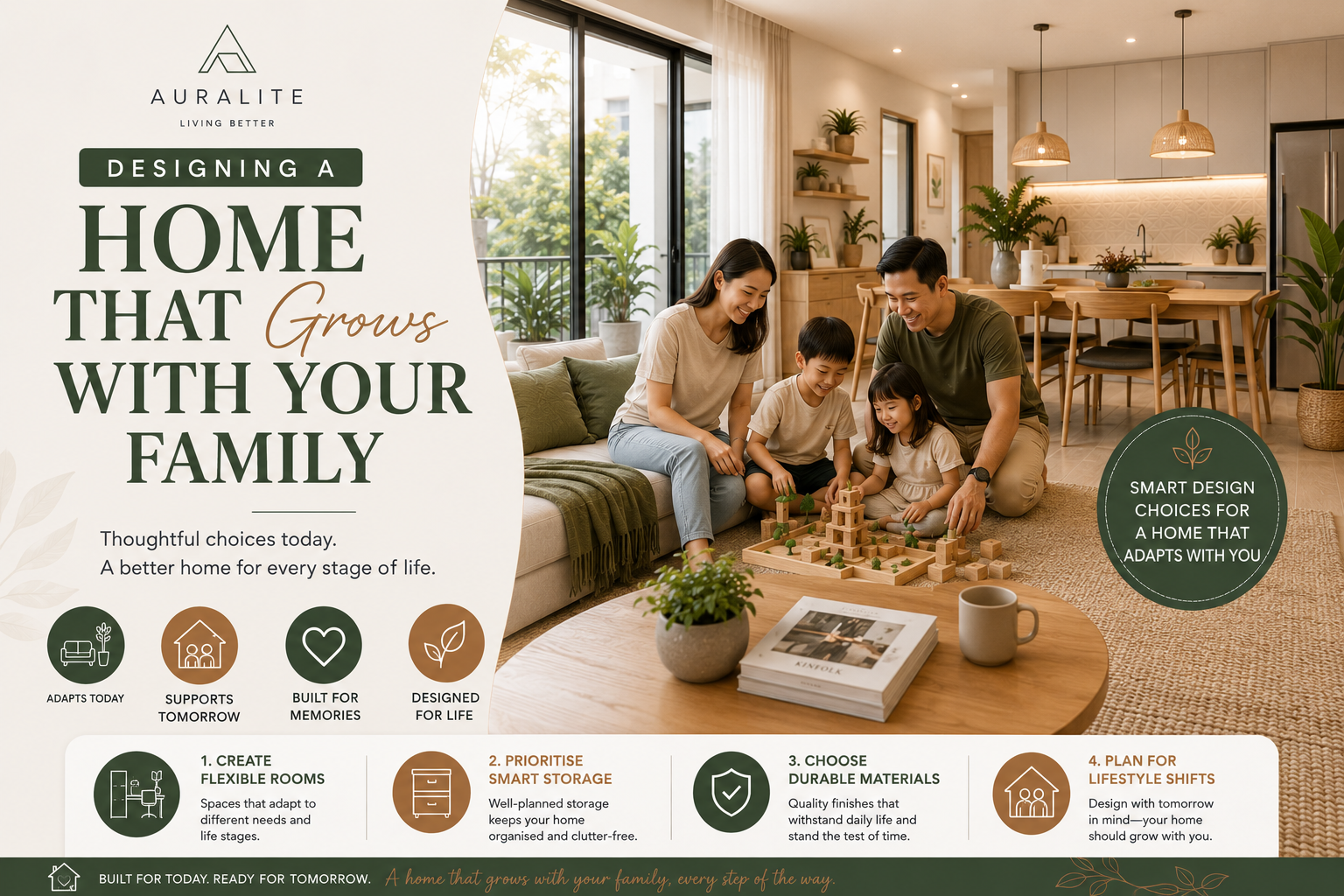
A well-designed home should not only suit your current lifestyle — it should adapt as your family evolves.
In Singapore, where space is often limited and renovations are significant investments, planning for flexibility is essential. Here’s how to designing a home that grows with your family.
1. Create Flexible Rooms
Instead of assigning permanent functions to every room, consider adaptable spaces.
A study room today can become a nursery later
A play area can transition into a teen study zone
Sliding partitions allow flexibility without structural changes
This approach works especially well in HDB and condo layouts.
2. Prioritise Smart Storage
Families accumulate items over time. Built-in carpentry with adjustable shelving ensures storage can evolve with changing needs.
Think:
Modular wardrobe interiors
Hidden storage under seating
Full-height cabinets for long-term organisation
3. Choose Durable Materials
High-traffic homes benefit from:
Scratch-resistant laminates
Quartz countertops
Vinyl flooring
Durability reduces maintenance stress.
4. Plan for Lifestyle Shifts
Working from home? Hosting gatherings? Caring for elderly parents?
A thoughtful layout supports multiple life stages without major re-renovations.
Final Thoughts
Good design is not just about aesthetics — it’s about future-proofing your lifestyle.
Planning a renovation in Singapore?
At Auralite, we believe renovation is more than upgrading a space — it’s about creating a home designed with intention, precision, and long-term value.
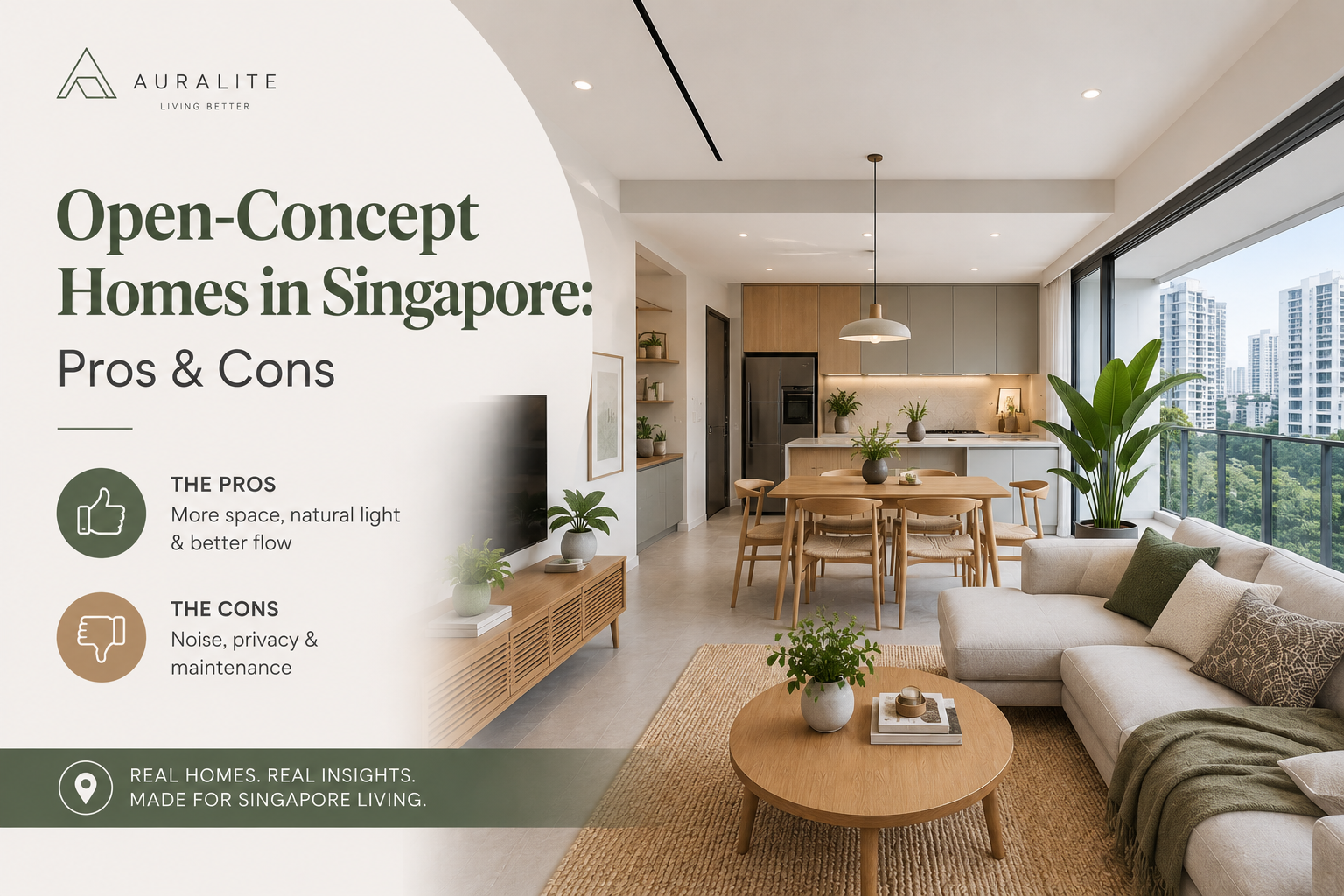
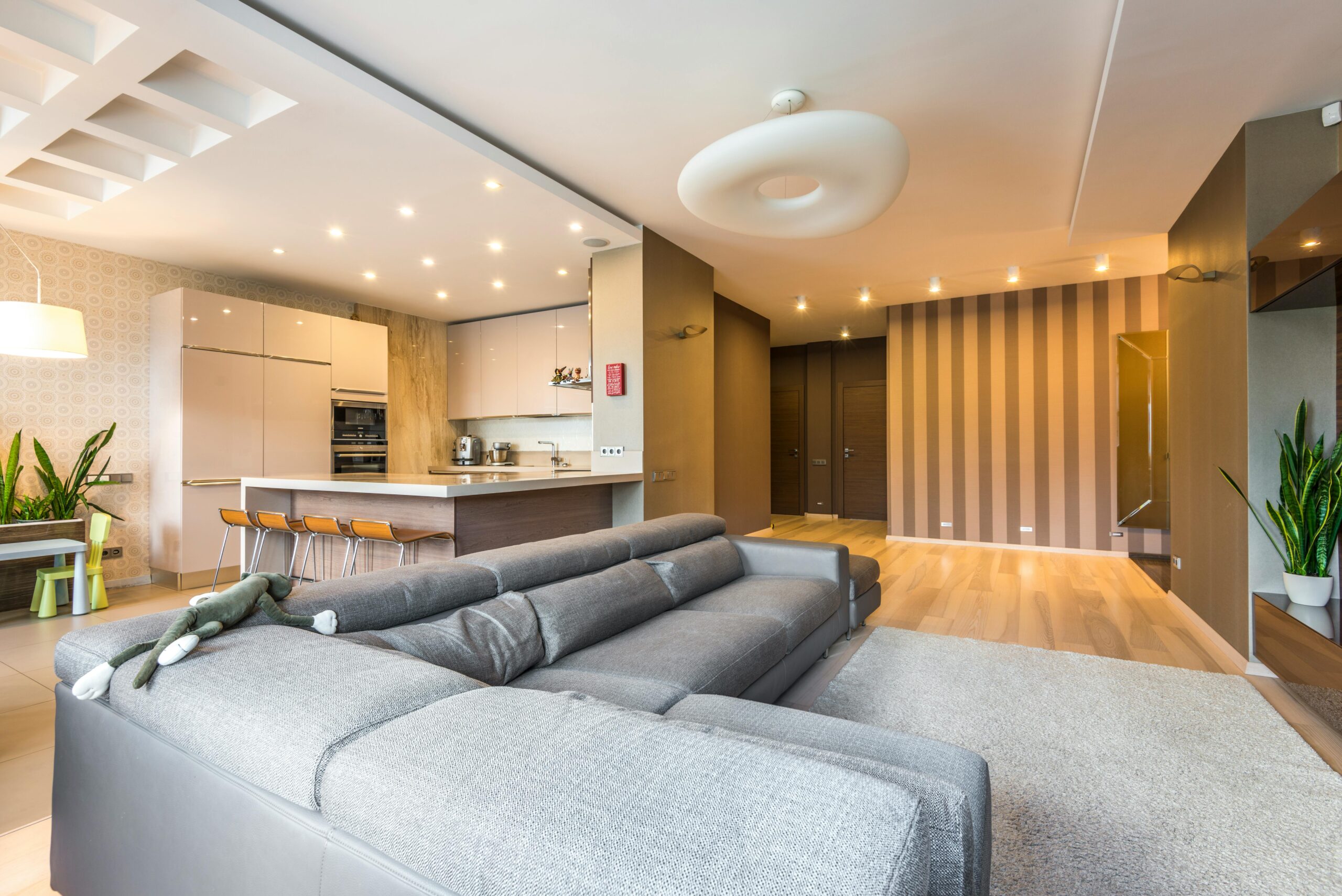
Open-concept layouts are popular in Singapore homes — particularly in BTO flats and modern condos.
But is it always the right choice?
Advantages
1. Enhanced Natural Light
Fewer walls allow light to travel across the space.
2. Better Social Interaction
Ideal for families and entertaining guests.
3. Perceived Spaciousness
Small homes feel larger and more breathable.
Potential Challenges
1. Cooking Odours
Open kitchens may spread smells.
2. Noise Transmission
TV sounds and conversations carry further.
3. Less Privacy
Private workspaces may require partitions.
Smart Solutions
Glass partitions
Sliding panels
Zoning through lighting and flooring
Final Thought
Open layouts work best when thoughtfully designed around your lifestyle habits.
Planning a renovation in Singapore?
At Auralite, we believe renovation is more than upgrading a space — it’s about creating a home designed with intention, precision, and long-term value.
Feng Shui often gets a bad reputation—associated with superstition, rigid rules, or expensive “cures.” But at its core, Feng Shui is simply about how your environment affects your energy, mood, and daily life. Think of it less as mysticism and more as intentional design.
If you strip away the myths, Feng Shui becomes surprisingly practical—especially for homeowners in Singapore where space, layout, and functionality matter so much.
What Feng Shui Really Is (and Isn’t)
Feng Shui, which literally translates to “wind” and “water,” is about how energy (or qi) flows through your home. Good Feng Shui encourages smooth, balanced movement—nothing blocked, cramped, or chaotic.
What it is not:
Not about placing random lucky objects
Not about blindly following a compass reading
Not about copying someone else’s layout
What it is:
Thoughtful spatial planning
Maximising natural light and airflow
Creating a sense of calm, order, and balance
In other words, good Feng Shui often overlaps with good interior design.
1. Declutter First — Always
Before you even think about layouts or colours, start here.
Clutter blocks movement—physically and mentally. A cramped home creates stress, reduces focus, and makes spaces feel smaller than they are.
Practical tips:
Clear entryways (your home’s “first impression”)
Avoid overfilling built-ins or storage
Keep surfaces intentionally styled, not crowded
If you do only one thing from this guide, declutter.
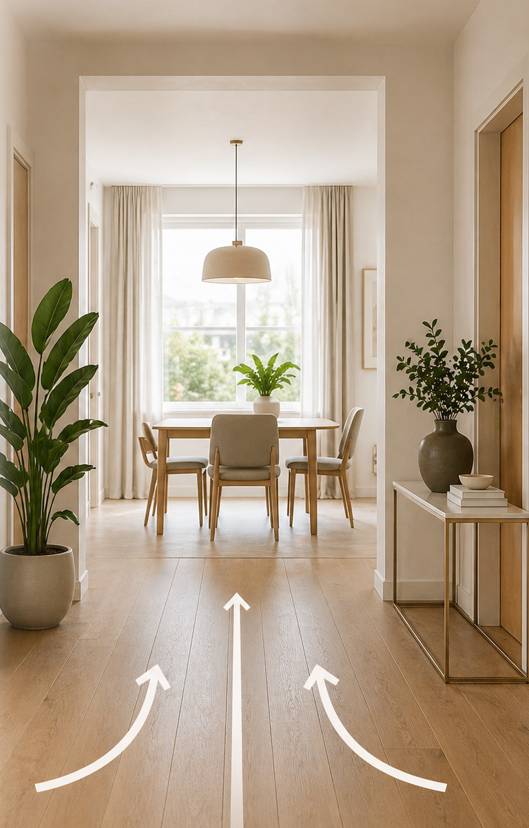
2. Let Energy (and People) Flow
A good Feng Shui home allows easy movement.
Walk through your space—do you feel like you’re squeezing past furniture? Are there awkward corners or blocked pathways?
What to look out for:
Narrow walkways
Furniture placed directly in pathways
Doors that can’t fully open
A simple rule: if movement feels natural, your layout is probably working.
3. The “Command Position” Matters
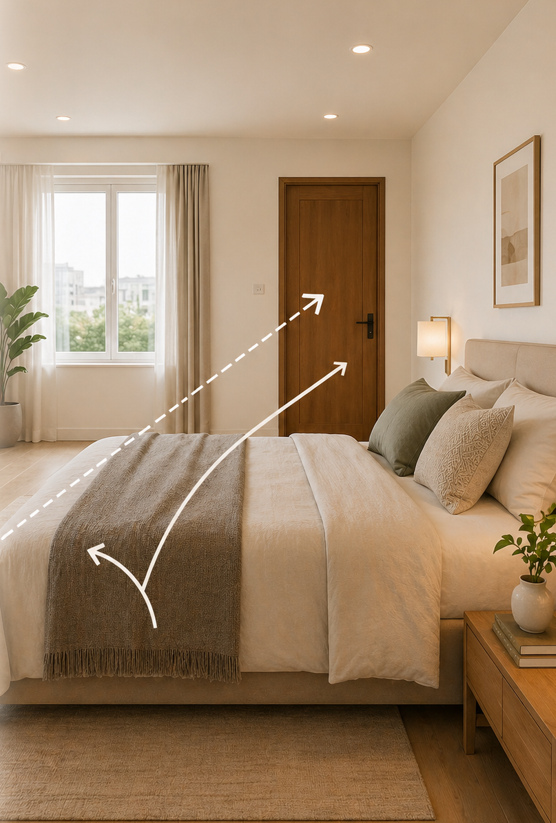
One of the most practical Feng Shui concepts is the command position—where key furniture (like your bed, desk, or sofa) is placed so you can see the entrance without being directly in line with it.
Why it matters:
It creates a subconscious sense of control and safety
It reduces stress and improves focus
Apply it to:
Your sofa (avoid having your back fully exposed to entryways)
Your bed (see the door, but not directly aligned)
Your work desk (face the entrance if possible)
4. Balance the Five Elements (Without Overthinking It)
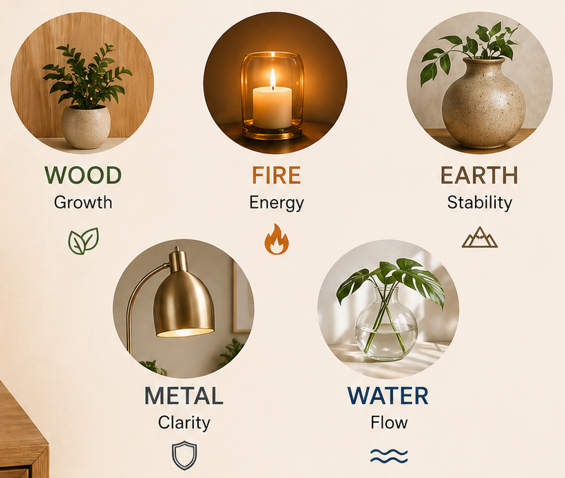
Feng Shui talks about five elements: Wood, Fire, Earth, Metal, and Water. But you don’t need to “calculate” anything complicated.
Instead, think of this as visual and material balance.
Element
Represents
Easy Ways to Include
Wood
Growth
Plants, wooden furniture
Fire
Energy
Warm lighting, candles, red tones
Earth
Stability
Ceramics, neutral colours
Metal
Clarity
Metallic finishes, white tones
Water
Flow
Mirrors, glass, dark accents
Key idea: Avoid extremes. A home that’s too cold, too dark, or too cluttered feels off—this is what Feng Shui is trying to correct.
5. Lighting Changes Everything
Poor lighting = stagnant energy.
Natural light is always best, but if your layout limits it (common in some HDB and condo units), layering your lighting becomes crucial.
Use a mix of:
Ambient lighting (general brightness)
Task lighting (for work areas)
Accent lighting (to highlight features)
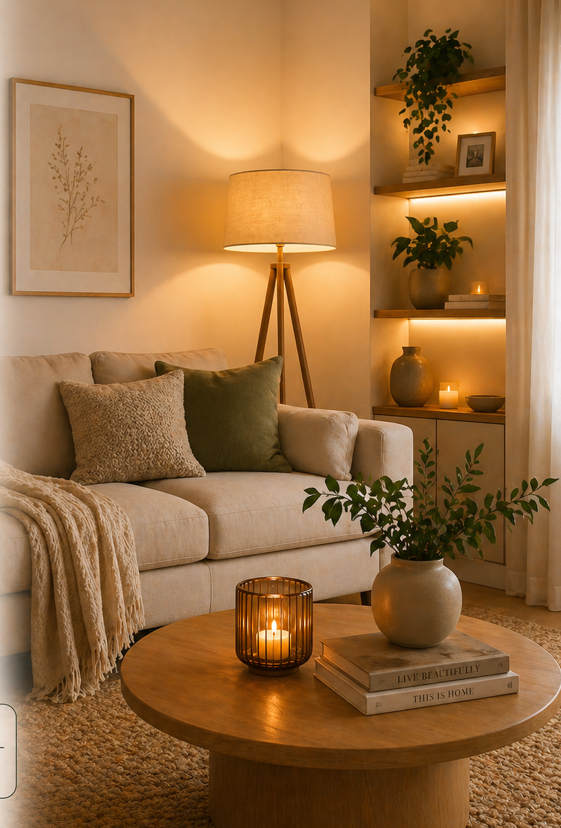
Warm lighting tends to feel more inviting, while harsh white light can make spaces feel clinical.
6. Your Entrance Sets the Tone
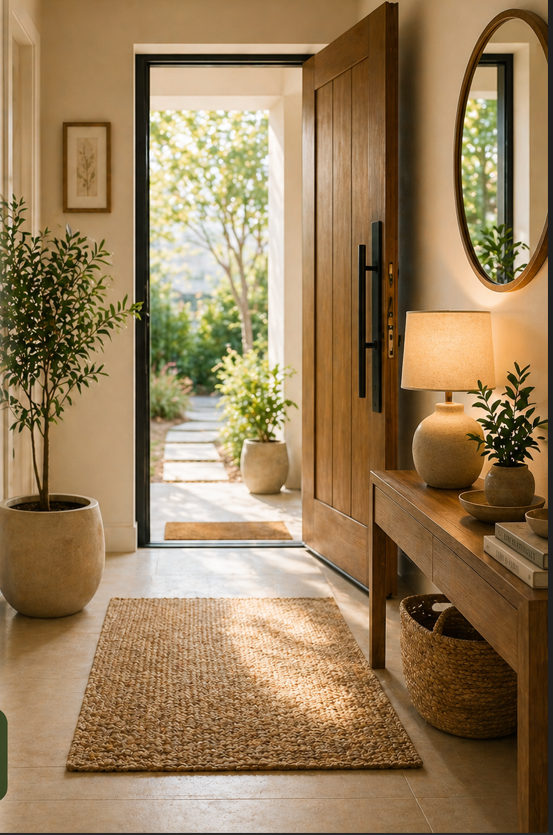
In Feng Shui, your main door is often called the “mouth of qi”—where energy enters your home.
But practically, it’s also your first psychological impression.
Simple improvements:
Keep it clean and uncluttered
Ensure good lighting
Avoid placing shoes or items in a messy pile
A well-kept entrance instantly makes your home feel more put together.
7. Mirrors: Use Them Intentionally
Mirrors are often misunderstood in Feng Shui.
They’re not “good” or “bad”—they simply reflect and amplify whatever is in front of them.
Use mirrors to:
Make small spaces feel larger
Reflect light into darker areas
Avoid placing them:
Directly facing clutter
Opposite your bed (can feel unsettling for some people)
8. Bedrooms Should Feel Like a Retreat
Your bedroom should prioritise rest, not stimulation.
That means:
Minimal electronics
Softer colours
Reduced clutter
Avoid turning your bedroom into a workspace if possible—this blurs mental boundaries between rest and productivity.
Common Feng Shui Myths (Let’s Clear These Up)
Myth 1: You need expensive Feng Shui items No—you don’t need crystals, fountains, or symbolic objects unless you personally like them.
Myth 2: There’s only one “correct” layout Every home is different. Good Feng Shui adapts to your space—not the other way around.
Myth 3: It’s all superstition At its core, Feng Shui is about comfort, flow, and psychology—things modern design also values.
Final Thoughts: Good Design = Good Feng Shui
When done right, Feng Shui doesn’t feel restrictive—it makes your home more livable.
A well-designed space should:
Feel easy to move through
Support your daily routines
Reduce stress instead of adding to it
That’s Feng Shui—without the myths.
Thinking of Improving Your Home Layout?
At Auralite, we believe great design should feel intuitive, not complicated. Whether you’re renovating your entire home or just reworking your layout, we help you create spaces that look good and feel right.
Reach out to Auralite for a personalised consultation and bring balance, function, and style into your home.
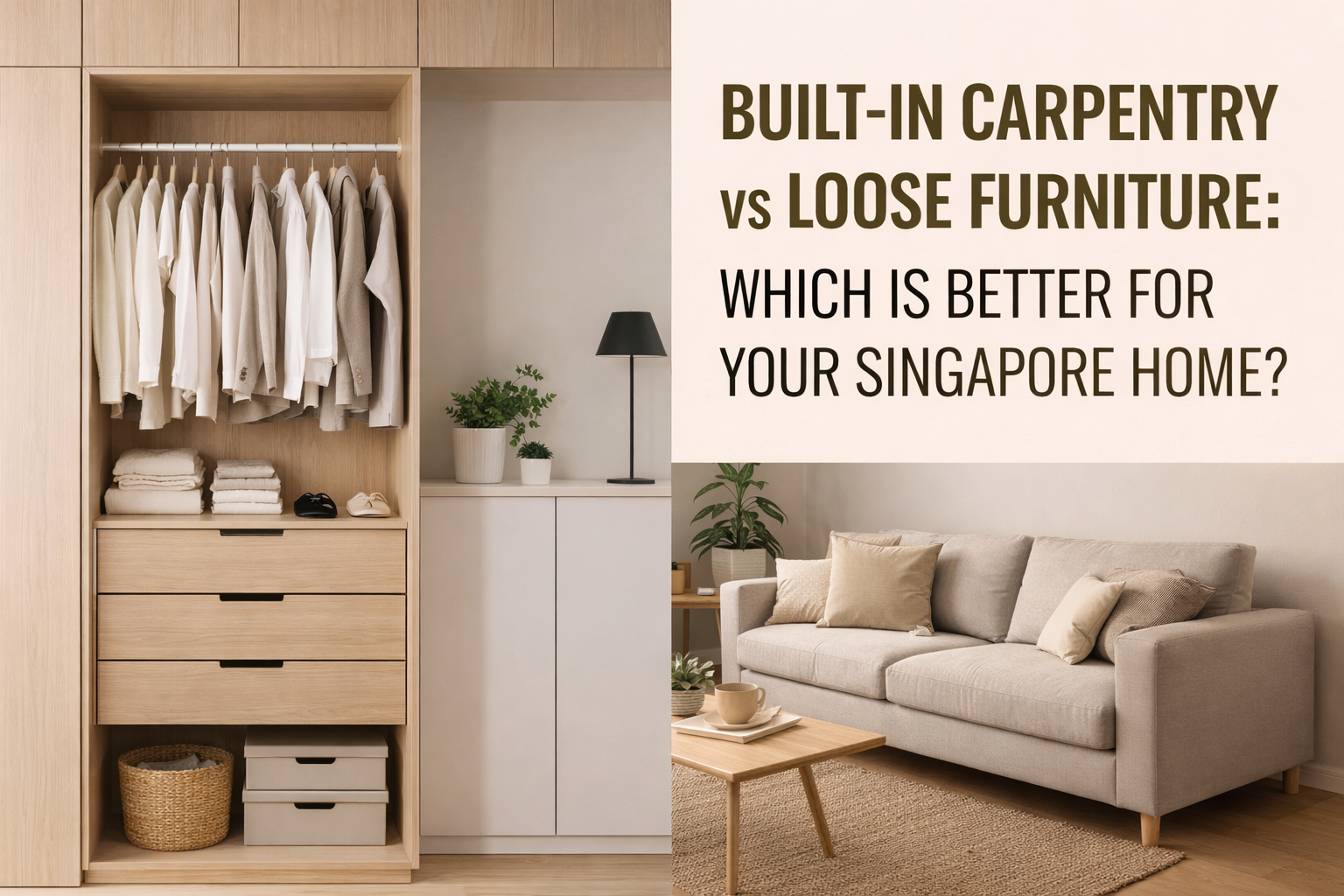
Many Singapore homeowners struggle with this question: Built-In Carpentry vs Loose Furniture: Which Is Better?
Should you invest in built-in carpentry, or opt for loose furniture?
This question is crucial as it impacts both functionality and aesthetics in your home.
The answer depends on space, lifestyle, and long-term plans.
🧱 Built-In Carpentry
Pros :
Maximises space
Customised fit
Seamless aesthetic
Ideal for small HDB layouts
Cons :
Higher upfront cost
Less flexibility
🛋 Loose Furniture
Pros :
Flexible
Easier to replace
Lower initial cost
Cons :
May waste vertical space
Less integrated look
What Works Best?
For HDB Flats / Condo / Apartments :
Strategic built-ins for storage
Loose furniture for flexibility
For Landed Homes :
Combination approach for zoning and versatility
Final Thoughts
The best design balances permanence and flexibility.
Not sure whether to invest in custom carpentry or keep things flexible with loose furniture?
At Auralite, we assess your layout, storage needs, and future plans before recommending the right approach. The goal isn’t just to fill your space — it’s to make it work beautifully for years to come.
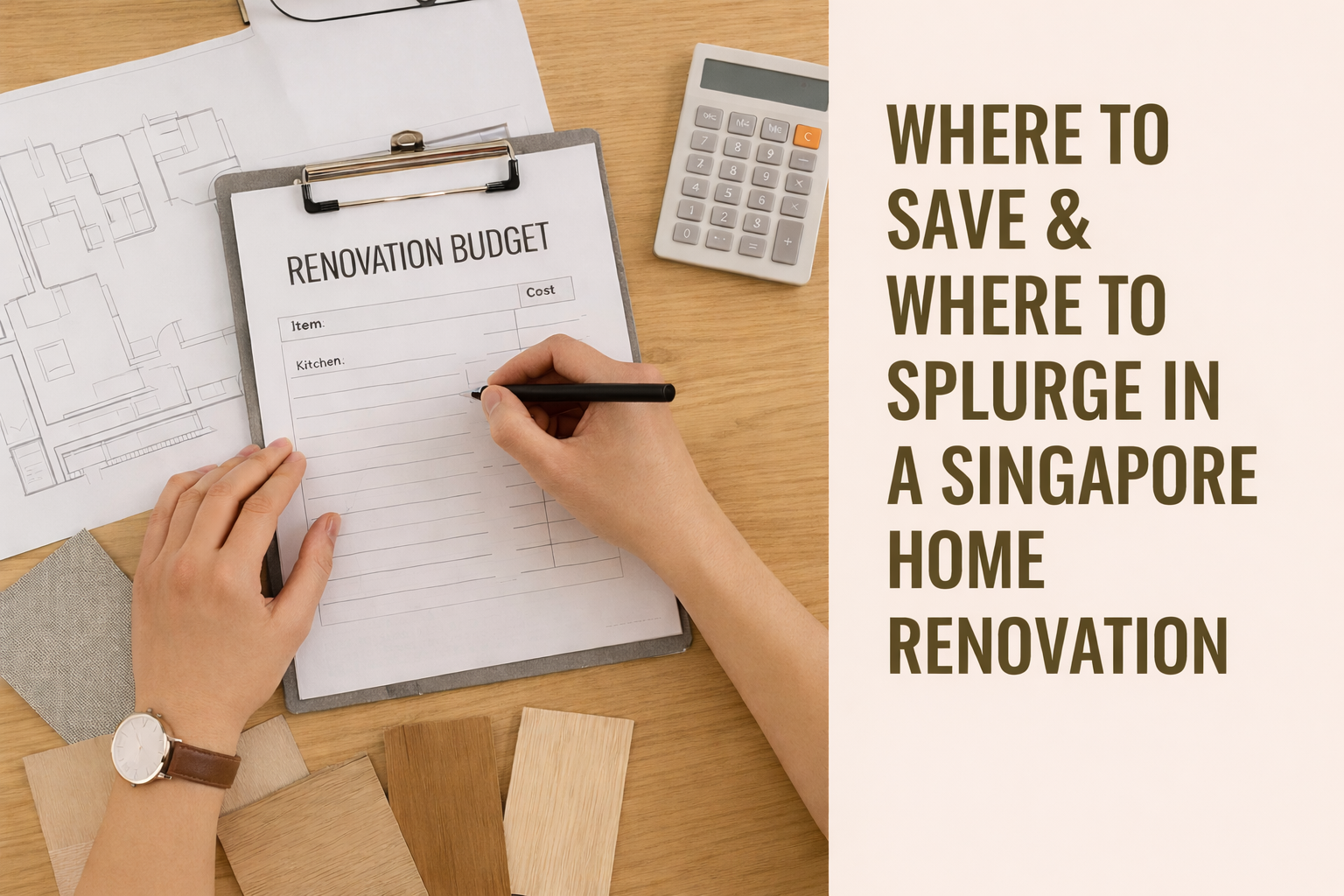
One of the most common questions homeowners ask is: “Where should I spend more, and where can I save?”
Whether you’re renovating an HDB flat, condo, or landed home in Singapore, making smart financial decisions ensures your renovation is both beautiful and sustainable.
Here’s how to prioritise wisely.
1. Kitchen & Bathrooms
These are high-usage areas and major value drivers.
Invest in:
Quality cabinetry hardware
Durable countertop materials
Reliable plumbing fittings
Poor-quality materials here often lead to long-term maintenance costs.
2. Carpentry Workmanship
Built-in carpentry forms the backbone of many Singapore homes. Good craftsmanship ensures:
Long-term durability
Smooth finishes
Proper alignment and structural integrity
Cheap carpentry may look fine initially but deteriorates quickly.
3. Electrical & Plumbing Works
These are hidden but critical systems. Cutting costs here risks safety and future repair expenses.
💡 Where You Can Save
1. Decorative Items
Loose furniture, décor pieces, and accessories can be upgraded gradually.
2. Feature Walls
Instead of costly feature panels, consider paint, texture, or lighting for visual impact.
3. Over-Customisation
Avoid building fixed carpentry for everything — flexibility adds value.
njoy smooth project flow, fewer Variation Orders (VOs), and clearer accountability — all signs of a professional renovation
Final Advice
Spend on what affects function and durability. Save on elements that can be changed over time.
Planning your renovation budget?
At Auralite.sg, we help homeowners prioritise what truly matters — investing in quality where it counts, and avoiding unnecessary overspending.
Speak to our team for a personalised renovation consultation and get clarity on how to allocate your budget wisely.
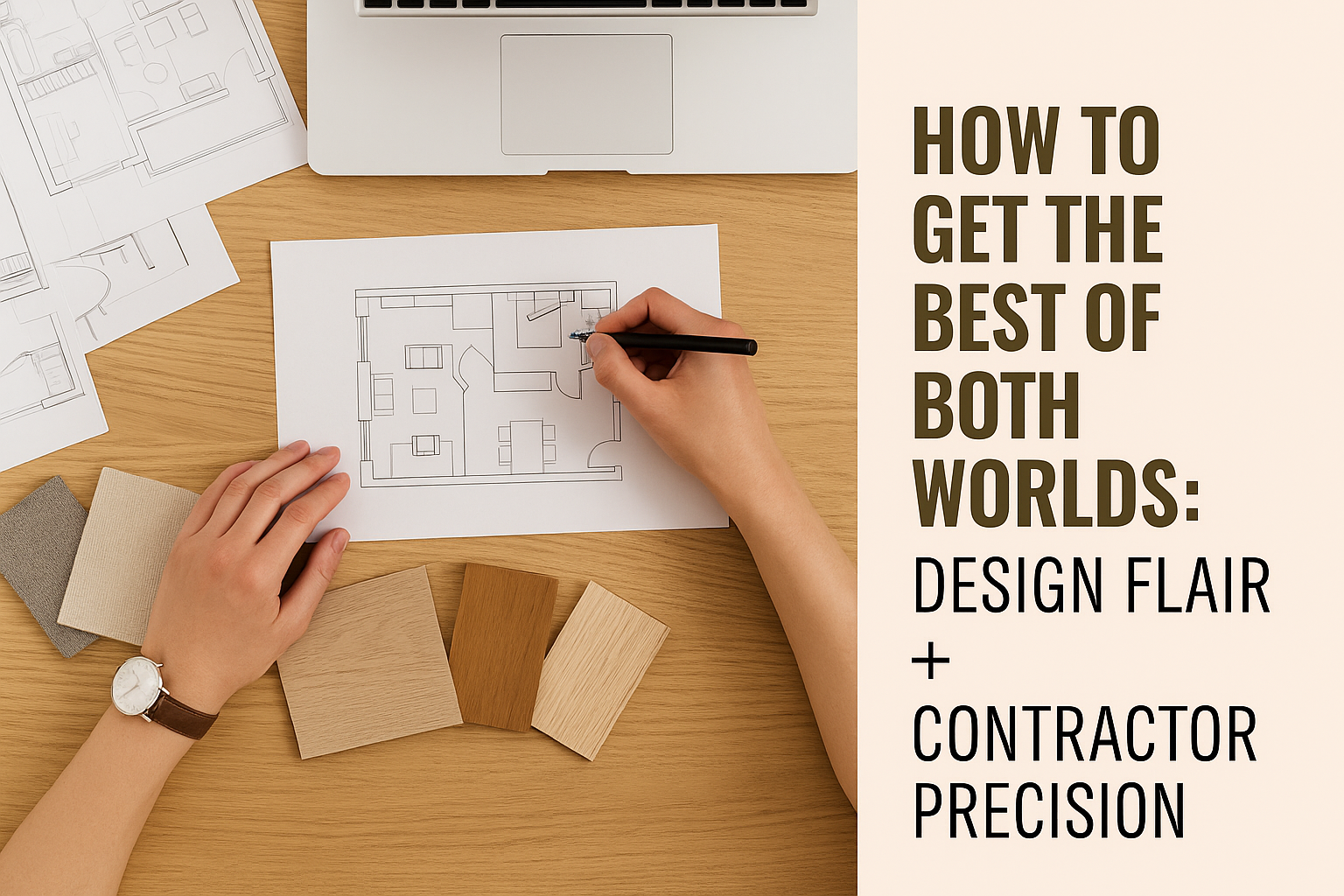
The perfect home is born when creativity meets craftsmanship — where bold ideas are brought to life with flawless execution.
In Singapore’s renovation scene, homeowners often feel they have to choose between an interior designer’s vision and a contractor’s technical precision. But when the right team collaborates, you don’t have to choose at all — you get the best of both worlds.
Here’s how design flair and contractor precision work together to create homes that are not only beautiful, but built to last.
1. Designers Dream, Contractors Deliver
Interior designers are masters of space, light, and aesthetics — they visualise how your home should feel. Contractors, on the other hand, make that vision real, ensuring every line, joint, and socket is executed safely and accurately.
When the partnership works:
Designs are buildable, not just beautiful.
Measurements, material choices, and structural needs are accounted for early.
Every feature is executed with precision — from carpentry joints to ceiling alignment.
🧱 At Auralite.sg, our teams work closely with interior designers to translate design intent into technical drawings that meet both creative and regulatory standards.
One of the biggest reasons for project stress is when the design looks stunning on paper but proves difficult (or expensive) to build. A reliable contractor bridges that gap early through technical consultation and feasibility checks.
What this looks like in practice:
Identifying potential material conflicts (e.g., moisture-sensitive finishes in bathrooms).
Suggesting cost-efficient alternatives that maintain design quality.
Advising on realistic timelines and lead times.
This collaboration saves homeowners from costly rework — and helps designers keep their creative integrity intact.
💡 Pro Tip: Invite your contractor into discussions before design finalisation. The earlier they’re involved, the smoother the build.
3. Precision Elevates Design
Every clean line, perfect join, and level surface depends on a contractor’s attention to detail. Even the best design can fall flat if workmanship is inconsistent.
Contractor precision ensures:
Tile joints align seamlessly with cabinetry lines.
Light fixtures and switches are positioned symmetrically.
Finishes like laminate edges and paint lines remain crisp and consistent.
At Auralite, our quality control checklist ensures no design detail is overlooked — so every designer’s concept is honoured down to the millimetre.
4. Communication Keeps the Vision Intact
Miscommunication is one of the leading causes of renovation frustration. That’s why open, structured communication between designers, contractors, and homeowners is crucial.
Reliable contractors will:
Provide clear progress updates.
Document any variations (VOs) before changes occur.
Consult designers before modifying details.
🧱 Auralite’s Workflow: We establish shared chat groups and regular site updates to keep all parties aligned — ensuring that every decision supports the original design intent.
5. Materials Matter — So Does Installation
A stunning design often depends on the right materials, but even premium products fail without skilled installation. That’s where contractor expertise complements design creativity.
Designers bring:
The look and mood (tone, texture, contrast).
Contractors bring:
The know-how for durability, alignment, and safety.
At Auralite.sg, we verify every material’s suitability before installation — balancing beauty with performance. A marble countertop, for example, isn’t just about pattern — it’s about proper support, sealing, and handling
6. Collaboration Prevents Costly Surprises
When design and construction teams work in isolation, small errors can snowball into budget overruns or timeline delays. But when both sides coordinate, you avoid mid-project surprises.
Common issues prevented through collaboration:
Lighting points not matching furniture layout.
Carpentry depth misaligned with wall panels.
Structural conflicts with concealed wiring or pipes.
💬 With proper coordination, homeowners enjoy smooth project flow, fewer Variation Orders (VOs), and clearer accountability — all signs of a professional renovation
7. The Result: Spaces That Feel Seamless
When creativity and precision unite, the outcome speaks for itself — a home that looks effortlessly cohesive, functions beautifully, and endures daily life.
It’s the combination of a designer’s artistry and a contractor’s discipline that transforms good homes into great ones.
At Auralite, We Build the Bridge Between Vision and Reality
At Auralite.sg, we see renovation as a partnership — not a transaction. Our teams collaborate closely with interior designers to ensure that every concept is engineered, built, and finished to perfection.
From planning and material selection to installation and final checks, we combine design flair with contractor precision — so homeowners never have to compromise between creativity and quality. 💬 Let’s create something extraordinary together.
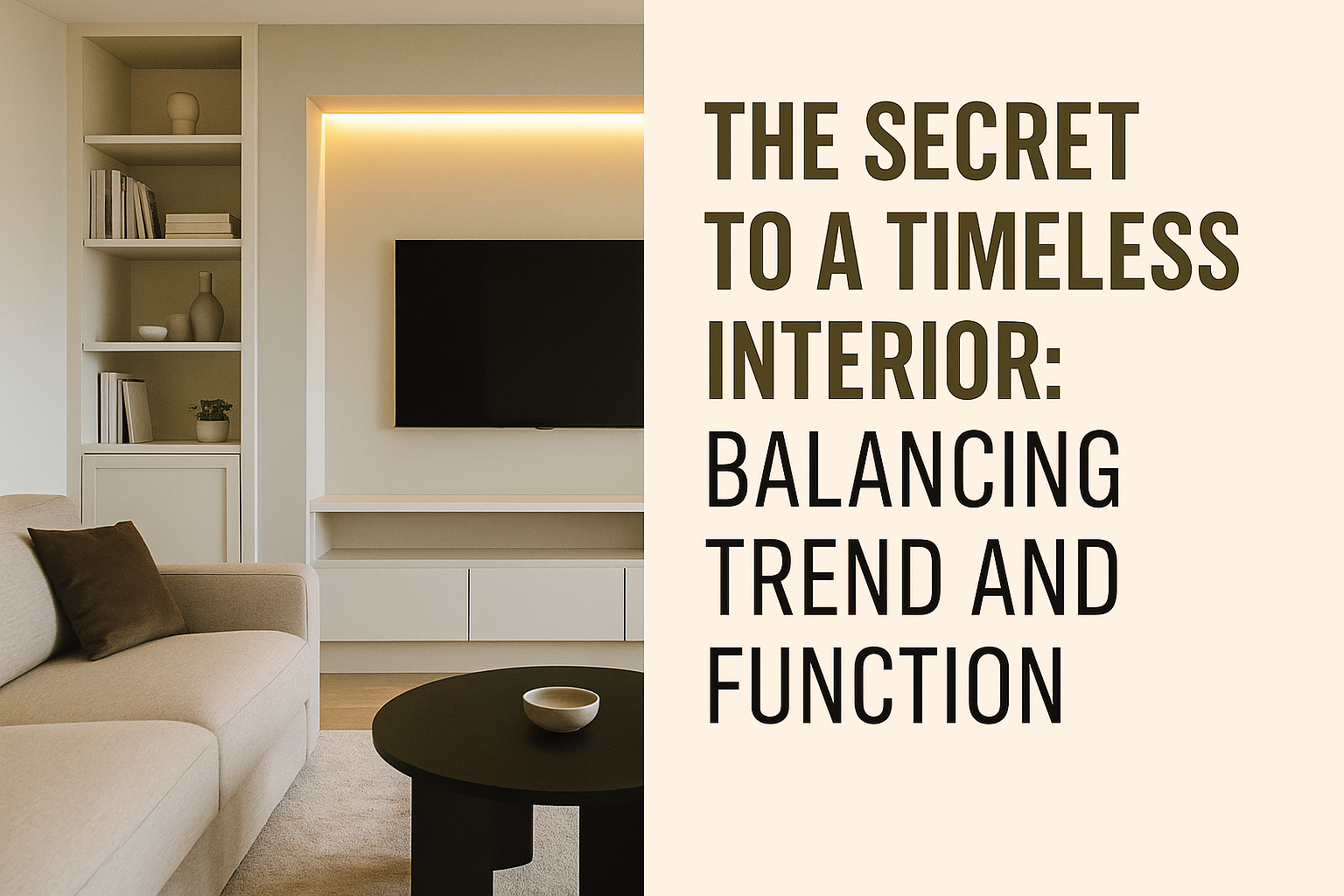
Every few years, a new design trend takes over — minimalist whites, industrial greys, Japandi woods, or tropical greens. But while trends come and go, your home should remain both beautiful and functional for years to come.
So how do you create an interior that feels current today yet still elegant tomorrow? At Auralite.sg, we believe the key to a timeless home lies in balance — blending modern aesthetics with enduring functionality.
Here’s how you can achieve that perfect equilibrium between style and substance.
Start with a Functional Foundation
The most timeless interiors begin with layouts that simply work. No matter how striking the design, a space that doesn’t suit your lifestyle won’t stand the test of time.
Ensure your electrical points and lighting plans match real-life usage.
Auralite’s Approach: We design every renovation around how you live — not just how it looks. By aligning layout and utility early, you future-proof your home’s comfort and flow.
💡 Pro Tip: Before chasing trends, ask yourself: “Will this layout still make sense in 5 years?”
2. Choose a Neutral, Versatile Base
A timeless interior starts with a neutral base palette that can adapt to evolving styles. Think whites, greys, warm taupes, and natural wood tones — colours that complement rather than compete.
Why this works:
Neutrals provide balance and calm.
They make accent colours easier to change later.
They enhance natural light and space perception.
You can then refresh your home’s mood over time with interchangeable accents — cushions, rugs, wall décor, and lighting.
Example: A soft beige wall with light oak carpentry remains relevant whether paired with modern black hardware or classic brass fittings.
Timeless interiors aren’t about following trends — they’re about feeling right, year after year.
3. Let Trends Inspire, Not Overwhelm
Trends add personality, but they shouldn’t dominate your home. Incorporate them strategically, so updates feel fresh but never forced.
Proper waterproofing and wiring — invisible but invaluable.
Auralite’s Commitment: We believe longevity begins behind the walls. Our workmanship standards ensure every detail — seen or unseen — meets both aesthetic and functional expectations.
🔎 Red Flag: If a contractor cuts costs by skipping proper materials or finishing, no amount of good design can save the outcome.
5. Design for Adaptability
A timeless home evolves with you. That means building in flexibility — layouts and furnishings that can adapt to future needs.
How to plan for adaptability:
Modular furniture that can be reconfigured.
Multi-purpose zones (e.g., study nook in living area).
Lighting that adjusts from task to ambient mode.
By anticipating future changes — whether it’s a growing family or a changing lifestyle — you extend your home’s lifespan without major overhauls.
💡 Pro Tip: Think in “phases” — how your home can grow with you, not against you.
6. Focus on Cohesion, Not Perfection
A timeless home isn’t about following rules — it’s about creating balance and flow. Mix textures, layer tones, and combine old with new — as long as the overall effect feels natural and cohesive.
Simple rules for harmony:
Limit your palette to 3–4 main colours.
Repeat materials (like wood grains or metals) throughout the home.
Use consistent lighting warmth to tie rooms together.
At Auralite, we see timeless design as a collaboration — between aesthetic intuition and technical mastery. Our role is to ensure every finish, joint, and line reinforces that sense of calm, enduring elegance.
Timeless Homes Are Built on Reliable Partnerships
Behind every enduring home is a partnership between designers and contractors who understand balance. Designers bring creativity; contractors ensure it’s built to last.
At Auralite.sg, we don’t chase trends — we craft homes designed for longevity. From concept to completion, we merge design flair with construction precision, ensuring every space we build is as functional as it is beautiful. 💬 Ready to create a timeless home of your own?
📩 Contact us at [email protected]— Let’s build something timeless together
With prices up and timelines tight, the cheapest quote can become the most expensive mistake. A reliable contractor protects your budget, schedule and compliance — and ultimately, your peace of mind.
1. What “Reliable” Looks Like
– Itemised quotes with brands/specs.
– Licensed (HDB, where applicable) and insured.
– Proactive updates and documented VOs.
– Quality control: Checklists at every phase; defects rectified before handover..
2. The Hidden Cost of Unreliable Work
– Re‑tiling due to failed waterproofing.
– Door warping from cheap cores.
– Electrical trips from poor loading.
– Missed permits leading to reinstatement.
Build with Confidence
A renovation is more than materials and manpower — it’s trust. That’s why Auralite combines craftsmanship with clear communication, safety practices, and accountability at every stage. Whether you’re renovating a HDB, condo, or landed home, we’ll help you turn plans into progress — without surprises.
📩 Contact us at [email protected]— Let’s build something lasting together
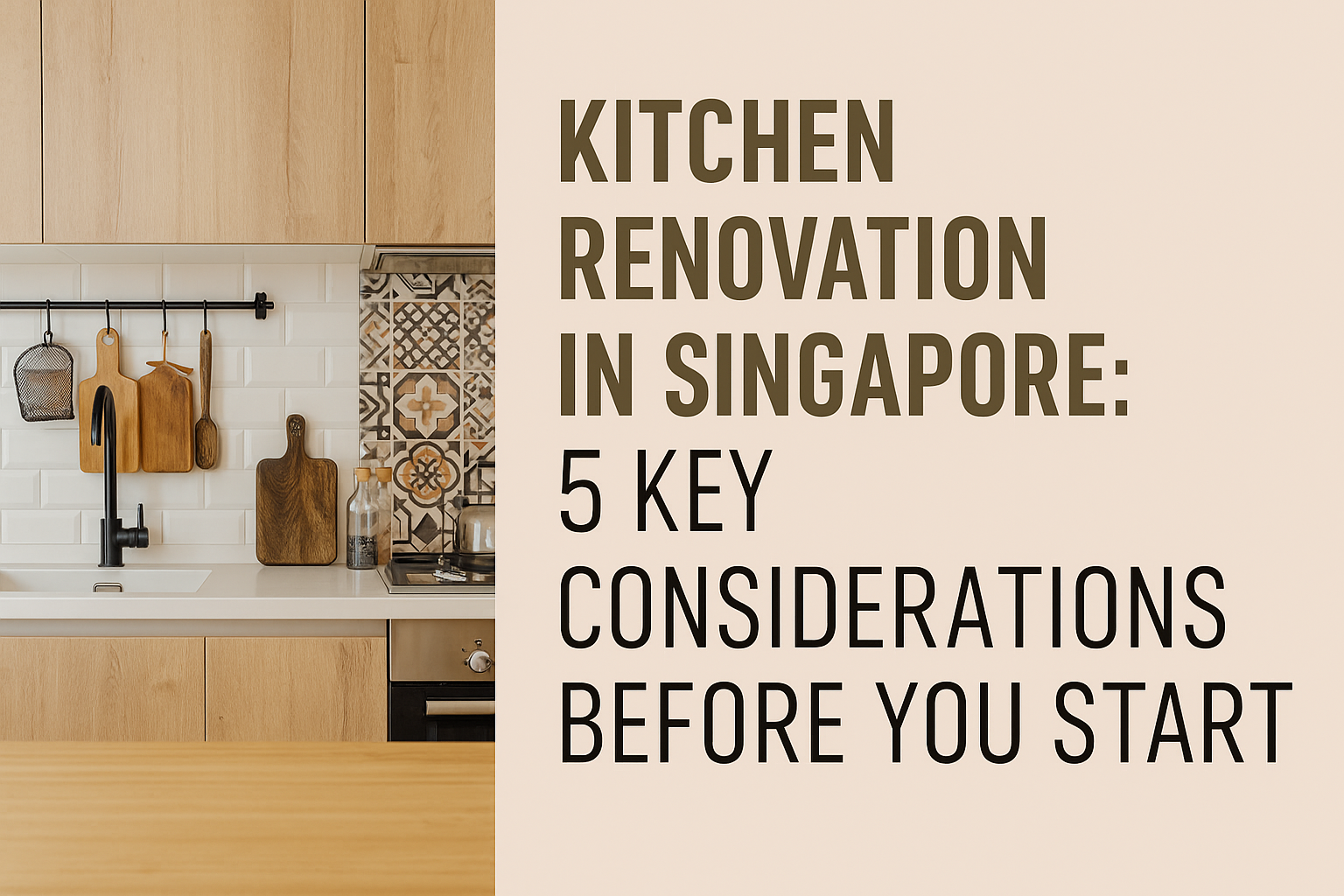
Renovating your kitchen can completely transform your home — but in Singapore, where space is limited and regulations are strict, it’s important to plan carefully. Whether you’re upgrading a resale HDB, refreshing your condo kitchen, or designing from scratch, every detail counts.
At Auralite, we’ve supported countless kitchen renovations by providing customised cabinets and smart storage designs tailored to Singaporean homes. Here’s what you should consider before diving into your renovation.
1. Understand Your Space and Layout
The first step in any kitchen renovation is understanding your space constraints. In Singapore, common kitchen layouts include galley, L-shape, and U-shape designs — each with their own flow and storage potential.
Ask yourself:
Do you need more counter space or more storage?
Will the new layout allow for better movement while cooking?
Are you open to hacking walls or keeping the existing structure?
Working with your contractor and cabinet designer early can help you make the most of your floor plan.
2. Prioritise Storage with Custom Cabinetry
Off-the-shelf kitchen units rarely make full use of vertical and corner spaces. With Auralite’s custom cabinet solutions, we can design to the exact dimensions of your kitchen — from pull-out pantry units to tall overhead cabinets that go all the way to the ceiling.
Smart storage not only helps reduce clutter, it improves efficiency in everyday cooking and cleaning.
3. Choose Durable, Moisture-Resistant Materials
Singapore’s humid climate and kitchen heat call for materials that can withstand daily wear and tear. Opt for high-pressure laminates, quartz countertops, and plywood carcasses with strong resistance to moisture and heat.
At Auralite, we guide our clients through a range of material options that balance aesthetics, durability, and budget.
4. Think About Workflow, Not Just Looks
A beautiful kitchen is nice — but a functional kitchen is essential. Use the kitchen work triangle principle: position the sink, stove, and fridge in a way that allows for smooth, uninterrupted movement.
Also consider:
Soft-close mechanisms for drawers and doors
Easy-to-clean backsplash materials
Lighting under upper cabinets for better visibility
Design should follow your lifestyle, whether you’re a casual cook or preparing meals daily for the whole family.
5. Set a Realistic Budget and Timeline
Renovation costs in Singapore can vary widely. Be upfront with your interior designer or contractor about your budget, and plan for a buffer of at least 10 to 15 percent for unexpected changes.
On average, a kitchen renovation takes 3 to 6 weeks, depending on the scope. Choosing a reliable renovation partner ensures quality workmanship, clear communication, and fewer delays.
Looking to Renovate? Start with Auralite
Auralite offers tailored kitchen cabinet and storage designs that fit your lifestyle and your space. Whether you’re upgrading your BTO or giving a resale flat a modern refresh, we’re ready to help you plan and build with confidence.
Get in touch with us today to discuss your renovation ideas.
📩 Contact us at [email protected]— we’ll help you create space where it matters