
10 Renovation Mistakes Singapore Homeowners Should Avoid

Renovating your HDB, condo or landed home in Singapore is exciting — new layout, better storage, a space that finally matches your lifestyle. But renovations can also be stressful and expensive when certain pitfalls are overlooked. From our contractor’s eyes, the most common problems happen before work even starts: unclear scopes, unrealistic budgets, and rushing decisions. Here are the 10 renovation mistakes Singapore homeowners should avoid — plus what to do instead for a smooth, value-for-money makeover.
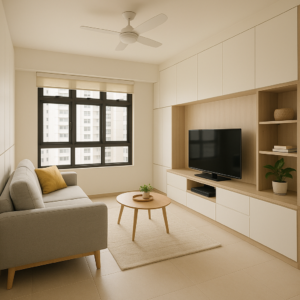
1) Starting Without a Realistic Budget (or Buffer)
A beautiful moodboard is not a budget. List your must‑haves vs nice‑to‑haves and assign ballpark costs. Add a 10–15% buffer for changes you decide mid‑stream (e.g., extra power points, upgraded quartz, an additional glass panel). A budget with buffer is the easiest way to control scope creep.
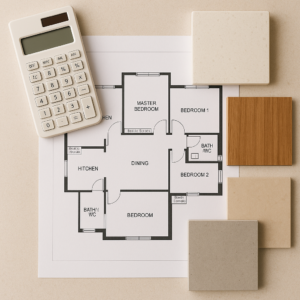
2) Choosing the Cheapest Quote Without Checks
A suspiciously low quotation usually means compromises: thinner laminates, fewer inclusions, limited rectification. Always check HDB license (if HDB unit), reviews, portfolio and itemised scope. Price transparency beats a low lump‑sum any day.
3) Skipping HDB/MCST Rules and Permits
In HDBs, structural walls cannot be hacked, and noisy works have strict hours. In condos, MCST rules may restrict wet works, lift bookings, or require deposits. Submissions and approvals avoid reinstatement orders and stop‑work drama.

4) Poor Space Planning for Small Flats
A 4‑room HDB can feel spacious if circulation, storage and furniture scale are planned. Over‑sized islands and bulky sofas choke walkways. Focus on built‑ins, vertical storage, and multi‑use zones instead of trend‑only statements.
5) Confusing “Hidden” Costs with “Often‑Missed” or Variable Items
You’re right to expect haulage, electrical, plumbing, waterproofing and air‑con trunking to appear clearly in a professional, itemised quotation — they are not “invisible”. The real wallet surprises usually come from items homeowners didn’t include or didn’t know to decide on at the start:
– MCST/HDB admin items: renovation deposits, lift padding/booking fees, protection to common areas, post‑reno cleaning of common corridors.
– HDB‑appointed haulage (new BTOs): sometimes separate from your contractor; check your project’s appointed vendor and rates.
– Professional endorsements (condo/landed): PE fees for structural works, shop drawings for glass/railing, if applicable.
– Power upgrades: DB upgrades or SP Group load increase if you have many high‑load appliances (induction hob, oven, dryer, multiple air‑cons).
– Window/Grille compliance: Must use BCA‑approved window contractors; replacements and safety grilles are usually separate line items.
– Site rectifications: Pre‑existing defects (uneven screed, out‑of‑square walls), plumbing reroutes discovered after hacking, or levelling for vinyl/tiles.
– Appliance/fixture logistics: Delivery and installation of hob/hood/oven, water heater, taps, sanitaryware, shower screens, mirrors, curtains/blinds.
– Smart home add‑ons: Extra data points, switches, dimmers, door locks, ecosystem hubs (often added mid‑renovation).
– Post‑reno: Chemical wash, additional paint touch‑ups, deep cleaning if you change scope late.
Your best defence: a detailed scope freeze meeting before fabrication, and an itemised VO (variation order) process for anything you add later.
6) Designing for Trends, Not Your Lifestyle
Open shelves, microcement, fluted panels — lovely, but think maintenance. Singapore’s humidity adds dust and mould risk. For heavy cooking, prioritise work triangle, easy‑clean materials, strong ventilation over Instagram‑only features.
7) Under‑Specifying Materials and Hardware
Not all laminates, runners and hinges are equal. Ask for brand and series (e.g., ABS edging, soft‑close BLUM/Titus, anti‑warp doors, anti‑slip bathroom tiles). Clear specs = consistent quality.
8) Neglecting Storage (and Access)
Built‑ins without access panels (for air‑con servicing/water traps) become a future headache. Plan hidden storage in corridors, platform beds, bay windows, and over‑counter cabinets sized to real items.
9) Renovating Room‑by‑Room
Phased renovations feel “cheaper”, but remobilisation costs, repeated protection and longer disruption usually make it costlier overall. Do it once, do it right.
10) Not Reading (or Clarifying) the Fine Print
Confirm warranties, waterproofing scope, crack lines policy after hacking, payment milestones tied to deliverables, and post‑handover rectification windows. When in doubt, get it in writing.
Final Tips
– Set your baseline scope early and freeze it before fabrication.
– Prioritise safety and durability in wet and high‑use zones.
– Communicate regularly with your contractor — but avoid last‑minute scope changes.
Ready to renovate your HDB/condo the right way?
Contact us at [email protected] today