Posted on

Renovation’s Done—Now What? Tips to Tackle the Post-Renovation Cleanup

Renovation’s Done—Now What? Tips to Tackle the Post-Renovation Cleanup

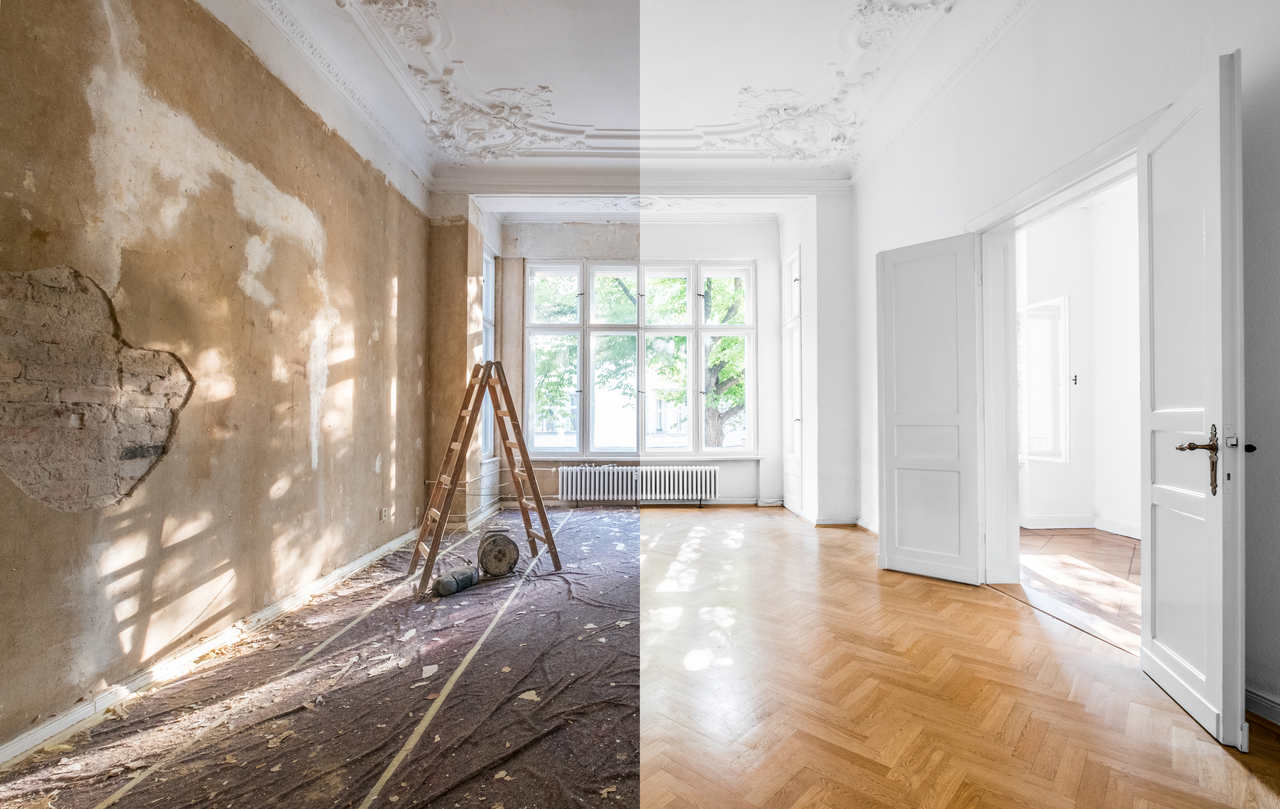
Congratulations! Your renovation is finally complete, and your home looks amazing. But before you start enjoying your newly transformed space, there’s one last (and often overlooked) step—cleaning up the mess left behind. Dust, debris, and construction residue can take away from the beauty of your renovation if not handled properly. Here’s a step-by-step guide to help you get your home spotless and ready for comfortable living.

1. Start with Proper Ventilation

Renovation work often leaves behind strong odors from paint, adhesives, and other materials. Open windows and doors to allow fresh air to circulate and help eliminate lingering smells. If necessary, use fans or air purifiers to speed up the process.

2. Remove Large Debris First

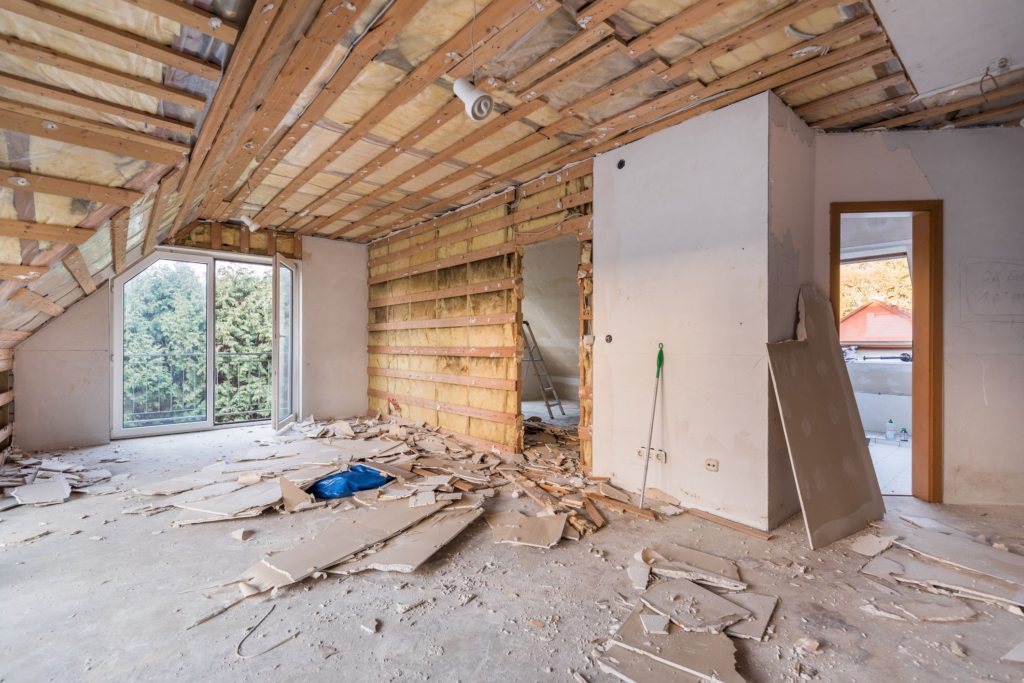
Before you start dusting and mopping, clear out all the large debris. This includes leftover materials, broken tiles, wood scraps, and packaging from appliances or fixtures. If your renovation team hasn’t arranged for debris removal, consider hiring a disposal service to handle the bulk waste.

Tip:

Use heavy-duty garbage bags and gloves when handling debris to avoid injuries.

3. Deep Dust Every Surface

Renovations create fine dust that settles everywhere—on walls, ceilings, floors, and even inside cabinets.

  • Wipe down walls and baseboards with a damp microfiber cloth.
  • Clean all light fixtures and ceiling fans to remove dust buildup.
  • Don’t forget vents and air ducts, as dust can accumulate there and circulate throughout your home.

4. Clean Windows and Mirrors

Post-renovation dust can leave a cloudy film on glass surfaces. Use a streak-free glass cleaner or a mix of vinegar and water to wipe down windows, mirrors, and glass doors. Be sure to clean window tracks and frames, as they often collect dust and dirt.

5. Vacuum and Mop Floors Thoroughly

Even if you covered your floors during the renovation, dust and debris can still find their way underneath protective coverings.

  • Vacuum carpets with a high-powered vacuum to remove fine dust.
  • Mop hard flooring surfaces with a gentle cleanser to pick up any remaining particles.
  • For wood floors, use a damp (not wet) mop to prevent damage.

6. Deep Clean Upholstery and Fabrics

Furniture, curtains, and rugs can trap renovation dust, leading to lingering allergens in your home.

  • Wash or dry clean curtains and cushion covers.
  • Vacuum sofas, chairs, and mattresses with an upholstery attachment.
  • Consider professional cleaning for rugs or carpets if they’ve absorbed a lot of dust.

7. Disinfect High-Touch Surfaces

During renovations, various surfaces are frequently touched by workers, increasing the likelihood of germs spreading. Wipe down all doorknobs, cabinet handles, countertops, and switches with a disinfectant.

8. Check and Change Air Filters

Your air conditioning and ventilation system might have collected dust during the renovation process. Clean or replace air filters to ensure clean indoor air quality and prevent dust from continuously circulating in your home.

9. Style and Enjoy Your Space!

Now that your home is sparkling clean, it’s time to add those final touches—arrange your furniture, place your décor, and settle into your refreshed space. Take the time to appreciate your newly renovated home and enjoy the hard work that went into making it perfect!

Final Thoughts

Post-renovation cleaning is the last step before truly enjoying your new space. Taking the time to do a deep clean will not only make your home more comfortable but also ensure a healthier living environment.

Posted on

Budgeting for Renovations: How to Avoid Hidden Costs and Unwanted Surprises

How to Avoid Hidden Costs and Unwanted Surprises

Renovating your home is an exciting journey, but it can quickly turn stressful when unexpected costs start piling up. Many homeowners underestimate their renovation budget, only to be caught off guard by hidden expenses. To help you plan effectively, here’s a guide on how to budget smartly and avoid unwelcome financial surprises during your renovation.

How to Avoid Hidden Costs and Unwanted Surprises

1. Start with a Realistic Budget

One of the most common mistakes homeowners make is setting an unrealistic budget. Before jumping into your renovation project, research the estimated costs for materials, labor, permits, and additional expenses. It’s always a good idea to get multiple quotes from contractors to understand the average market rates.

Tip:

Allocate at least 10-20% of your budget as a contingency fund to cover any unexpected costs that may arise during the renovation process.

2. Understand Hidden Costs in Renovation

Even with careful planning, certain costs can sneak up on you. Here are some common hidden expenses:

  • Permit Fees: Many renovations require approvals and permits, which can add up depending on the scale of your project.
  • Structural Issues: Unexpected issues like plumbing, wiring, or foundational problems may only be discovered once work begins.
  • Material Wastage: Extra materials are often needed due to measurement errors or unexpected damages.
  • Temporary Living Costs: If your renovation is extensive, you may need to relocate temporarily, which means additional costs for accommodation and meals.
  • Cleanup & Disposal Fees: Post-renovation cleanup and disposal of construction waste might not always be included in the contractor’s quote.

3. Get a Detailed Contract from Your Contractor

Before starting any work, make sure you have a clear and detailed contract outlining:

  • Scope of work
  • Payment schedule
  • Timeline
  • Material costs
  • Additional charges or potential extra costs

A well-drafted contract protects you from vague pricing and unexpected add-ons during the renovation process.

4. Choose Quality Over the Cheapest Option

While it’s tempting to go for the lowest quote, cheap renovations often come with compromises in quality. Poor workmanship and low-quality materials can lead to frequent repairs, costing you more in the long run. Instead, invest in durable materials and skilled contractors who provide transparency in pricing.

Tip:

Compare multiple quotations, read reviews, and ask for past work references before finalizing a contractor.

5. Track Expenses and Stay Within Budget

Keep track of all expenses during the renovation to avoid overspending. Use budgeting apps or spreadsheets to monitor costs and ensure you’re sticking to your financial plan.

Tip:

Regularly communicate with your contractor about costs and progress. This prevents surprises and ensures that any adjustments are made within your budget.

6. Plan for Long-Term Costs

Some renovations may have additional ongoing costs, such as maintenance, increased utility bills, or higher property taxes. Factor these into your overall budget to avoid financial strain after the renovation.

Conclusion

Proper planning and smart budgeting can make your renovation experience smooth and stress-free. By anticipating hidden costs, setting a contingency fund, and working with reputable contractors, you can avoid unwanted surprises and enjoy the transformation of your home without breaking the bank.

Need expert guidance for your home renovation? Contact Auralite Singapore at [email protected] to get started today!

Posted on

The Power of Customisation: Why Custom Wardrobes Are the Future of Home Design

In the ever-evolving world of home design, customisation has taken centre stage. From bespoke furniture to tailored living spaces, the demand for personalised solutions is soaring. Among these, custom wardrobes have emerged as a transformative trend, offering homeowners the perfect blend of style and functionality. But why are they gaining so much traction in Singaporean homes, and what makes them the future of home design? Let’s dive in.

Why Custom Wardrobes Matter

Gone are the days when one-size-fits-all wardrobes dominated bedrooms. Modern homeowners are seeking storage solutions that cater specifically to their needs and lifestyles. Here are three key reasons custom wardrobes are making waves:

1. Flexibility

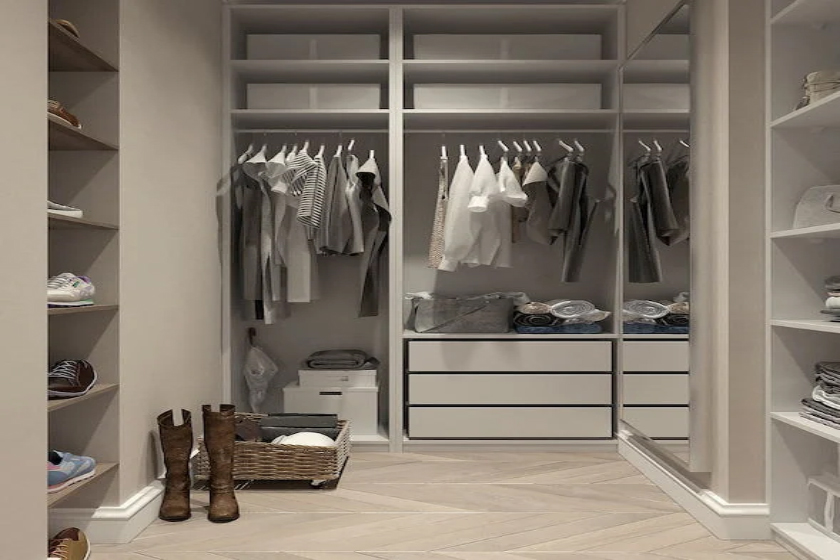
Custom wardrobes provide unparalleled flexibility in design. Whether you need additional hanging space for your workwear, dedicated compartments for your accessories, or even a section for your partner’s extensive sneaker collection, every detail can be tailored to your preferences. This adaptability ensures that no square inch is wasted, especially in compact Singaporean homes where space is at a premium.

2. Unique Features

Custom wardrobes allow for the inclusion of features that cater to modern lifestyles. Think pull-out ironing boards, built-in laundry hampers, or even a concealed dressing table. These unique additions not only enhance convenience but also elevate your wardrobe’s functionality beyond mere storage.

3. Personalised Storage Solutions

Everyone’s storage needs are different. A family of four might prioritise organisational systems to manage their collective belongings, while a fashion enthusiast could require extra space for designer outfits and accessories. Custom wardrobes ensure that your storage solution aligns seamlessly with your daily routine and personal requirements.

How Custom Designs Improve Functionality and Aesthetics

Custom wardrobes aren’t just about practicality – they’re also a game-changer when it comes to enhancing the overall look and feel of your home. Here’s how:

1. Modular Systems for Versatility

Modular wardrobe systems offer a highly adaptable framework, allowing homeowners to add or remove sections as needed. For instance, you can start with a basic layout and expand it later as your family grows or your needs evolve. This approach ensures your wardrobe remains relevant and functional for years to come.

2. Integrated Lighting for a Luxurious Touch

Lighting can dramatically elevate your wardrobe’s aesthetics while improving usability. LED strips integrated into shelves and drawers not only make it easier to locate items but also add a touch of sophistication. Imagine a softly lit wardrobe that greets you with a warm glow every morning – it’s a small luxury that makes a big difference.

3. Hidden Storage for a Clean Look

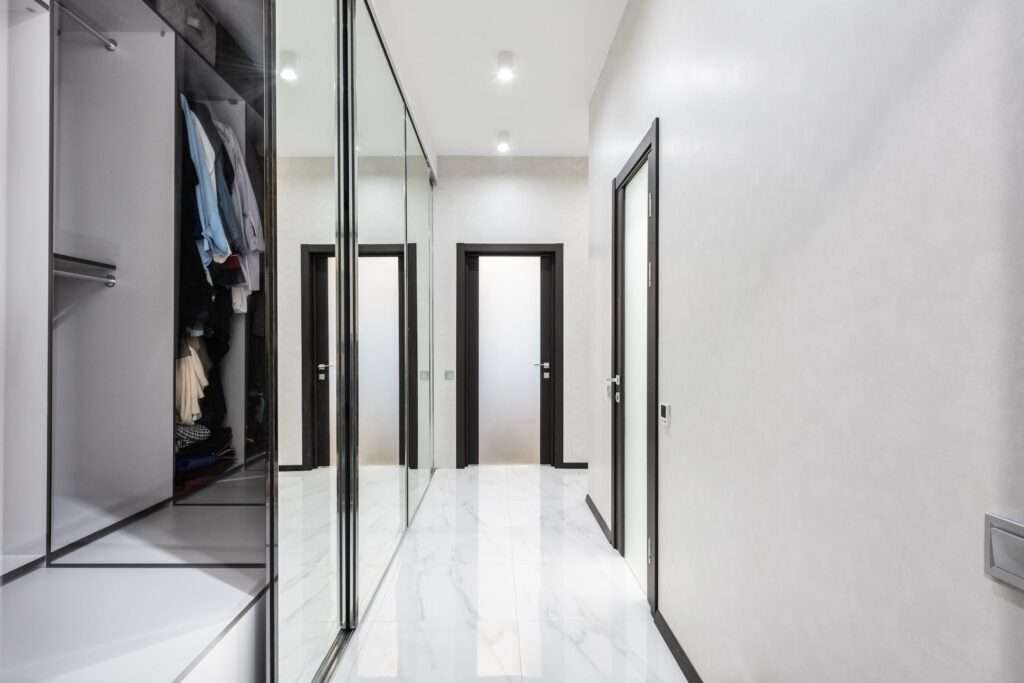
Clutter can disrupt the harmony of even the most beautifully designed spaces. Custom wardrobes can incorporate hidden storage solutions, such as pull-out drawers behind sliding panels or concealed compartments for valuables. These features help maintain a sleek, minimalist appearance while keeping everything organised.

Conclusion

Custom wardrobes represent the future of home design by marrying practicality with personalisation. They offer Singaporean homeowners the chance to maximise space, enhance aesthetics, and enjoy storage solutions that truly reflect their unique needs and preferences.

Ready to transform your living space? Start your journey towards a more organised and stylish home today. Get a personalised wardrobe consultation and experience the power of customisation firsthand.